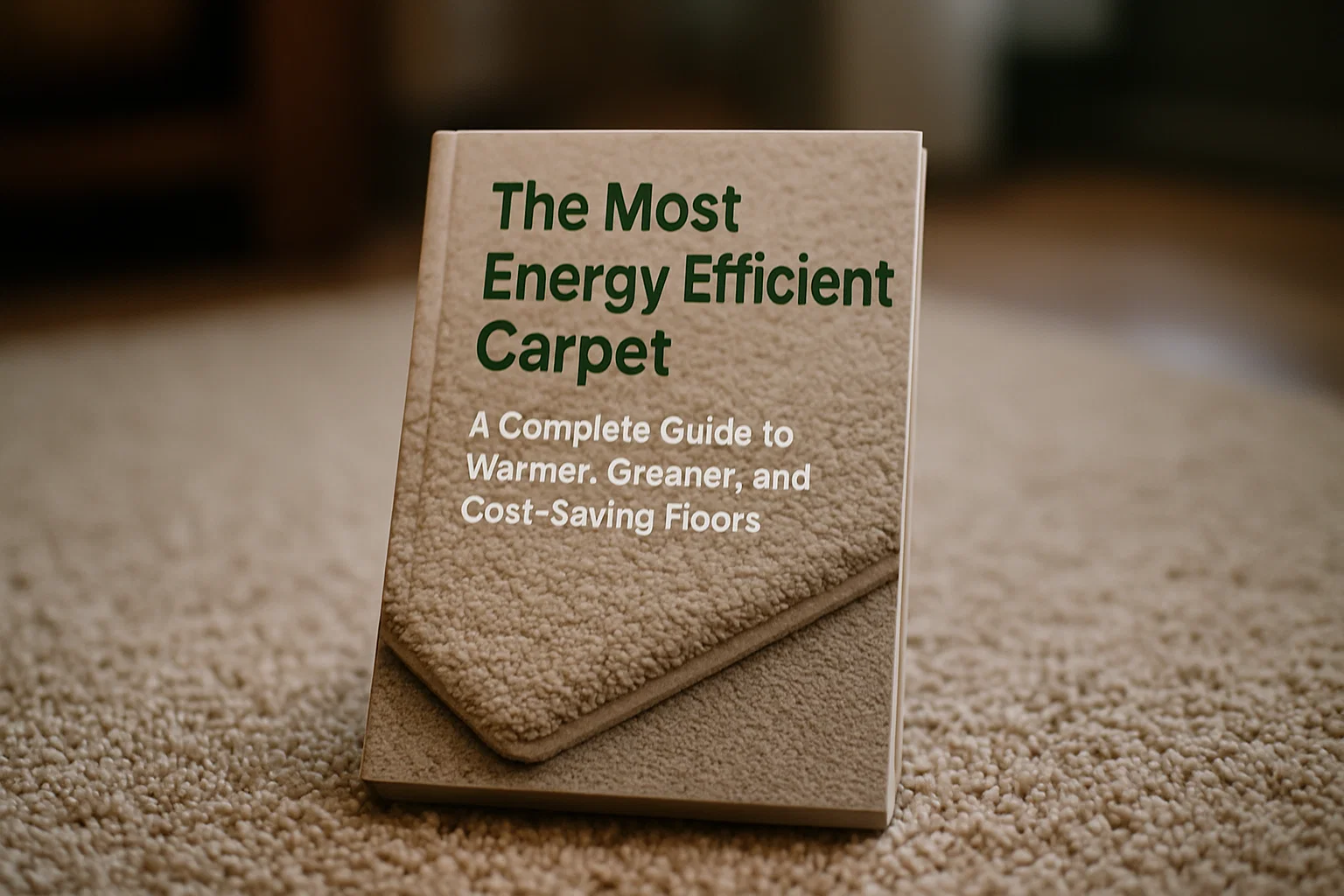
Homeowners today are paying more attention than ever to energy efficiency. Rising utility costs, unpredictable weather patterns, and increasing interest in sustainable living have shifted focus toward creating homes that naturally stay warmer in winter and cooler in summer.
Flooring plays a bigger role in energy conservation than most people realize and among all flooring options, carpet is one of the most energy efficient choices available.
Choosing the most energy efficient carpet can help reduce heat loss, improve indoor comfort, and significantly lower energy bills over time. This detailed guide breaks down everything you need to know: insulation performance, carpet materials, carpet pad options, R-values, sustainability considerations, installation tips, and what to look for when shopping.
By the end, you’ll have a clear picture of which carpet styles and materials deliver the highest energy savings for your home.
What Makes a Carpet Energy Efficient?
Understanding Carpet Insulation
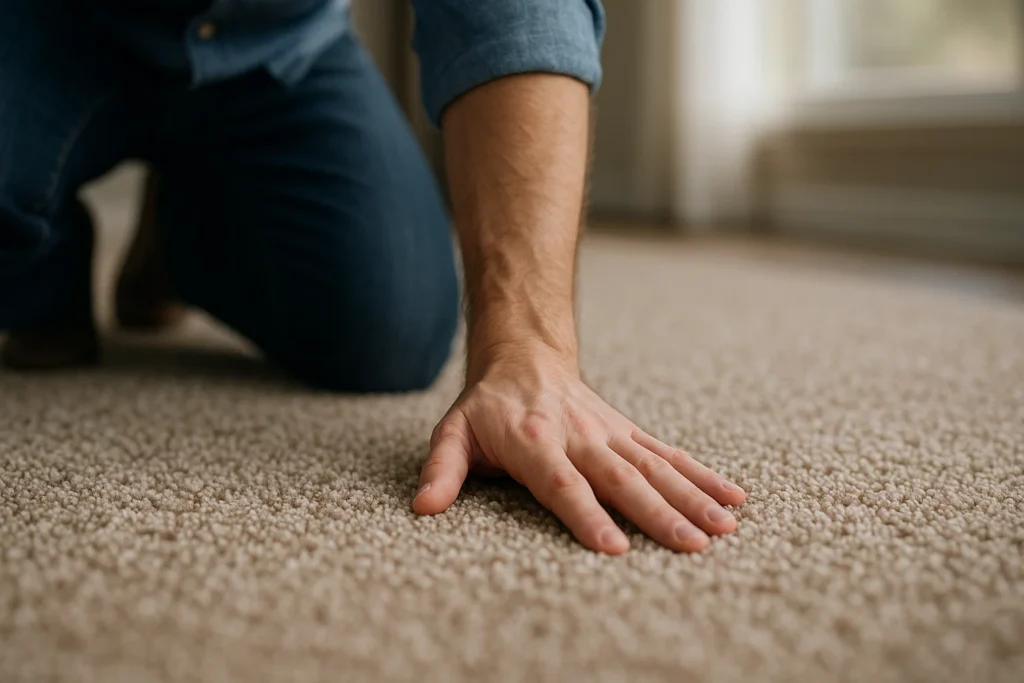
Carpet contributes to energy efficiency because of its natural insulating ability. Unlike hard flooring surfaces that allow heat to escape quickly, carpet traps warm air, helping maintain consistent temperatures throughout your home. This means your heating system doesn’t have to work as hard especially during colder months.
The Role of R-Value in Carpet Energy Efficiency
The insulation of carpets is measured in R-value, which indicates how well a material resists heat flow. The higher the R-value, the more energy efficient the carpet will be. Carpets and carpet padding combined can achieve impressive R-values that rival some wall and ceiling insulation materials.
Key factors influencing R-value include:
- Fiber type
- Carpet thickness
- Density of the pile
- Padding material
- Underlayment thickness
Carpet + Padding = Maximum Efficiency
Most homeowners don’t realize that the carpet pad is as important as the carpet itself. A good pad adds an extra layer of insulation, boosts comfort underfoot, and enhances soundproofing. Premium carpet padding can double or even triple the overall R-value of your flooring system.
Best Carpet Types for Energy Efficiency
Wool Carpet
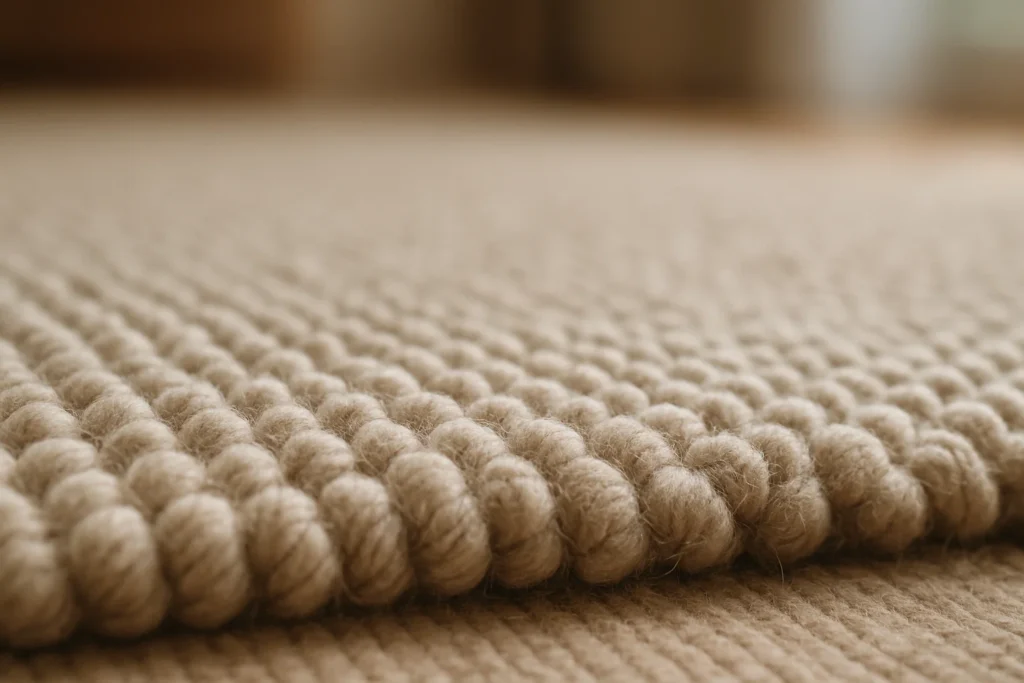
Wool is often considered the most energy efficient carpet material. It naturally retains warmth and provides insulation due to its dense fibers and natural air pockets. Wool is breathable, hypoallergenic, and highly durable, making it ideal for colder climates.
Why Wool Is Energy Efficient
- High natural R-value
- Dense fiber structure traps warm air
- Excellent thermal and acoustic insulation
- Long-lasting, reducing environmental impact
Best Rooms for Wool Carpets
- Bedrooms
- Living rooms
- Basements
- Home offices
Wool does carry a higher price tag, but the long-term energy savings and durability often justify the investment.
Triexta Carpet (SmartStrand)
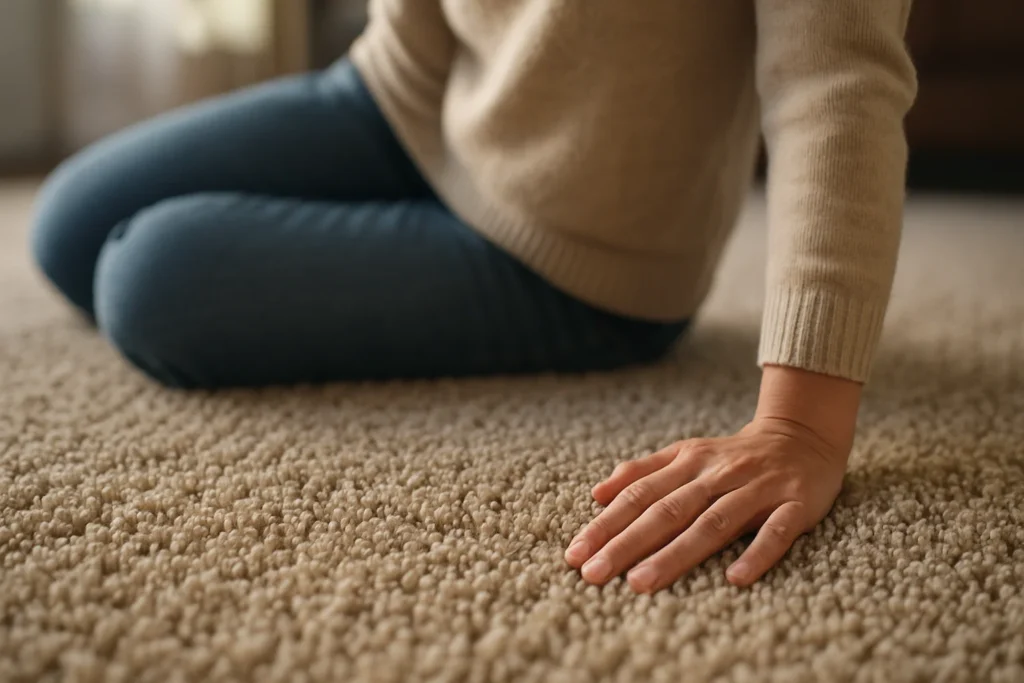
Triexta is a modern, eco-friendly fiber known for its strength, softness, and sustainability. It also offers impressive insulation performance comparable to high-end synthetic carpets.
Energy Efficiency Benefits
- Dense fiber structure that retains warmth
- Resistant to matting and wear, maintaining insulation over time
- Naturally stain-resistant without added chemicals
Triexta is an excellent choice for families who want softness, durability, and energy-conscious flooring.
Nylon Carpet
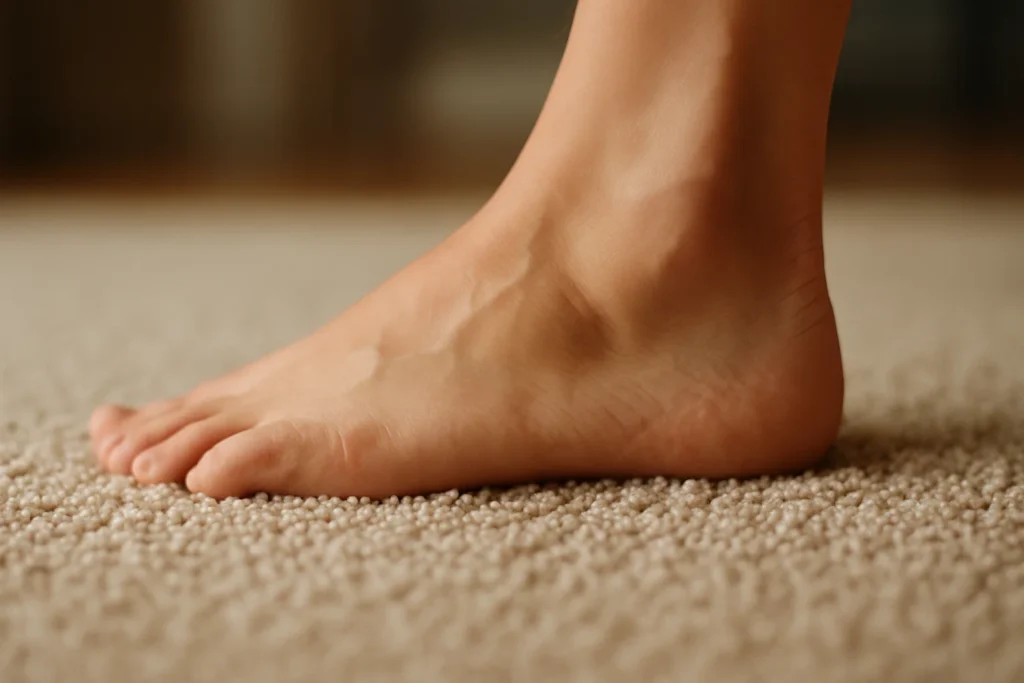
Nylon is strong, resilient, and widely used in homes. While not as naturally insulating as wool, it still performs well especially in plush, high-density constructions.
Why Nylon Helps With Energy Savings
- Holds heat better than hard floors
- Excellent at recovering from foot traffic (maintains loft and insulation)
- Durable enough for high-traffic rooms
Nylon is ideal for homeowners who want a balance of comfort, affordability, and mild energy efficiency.
Polyester Carpet
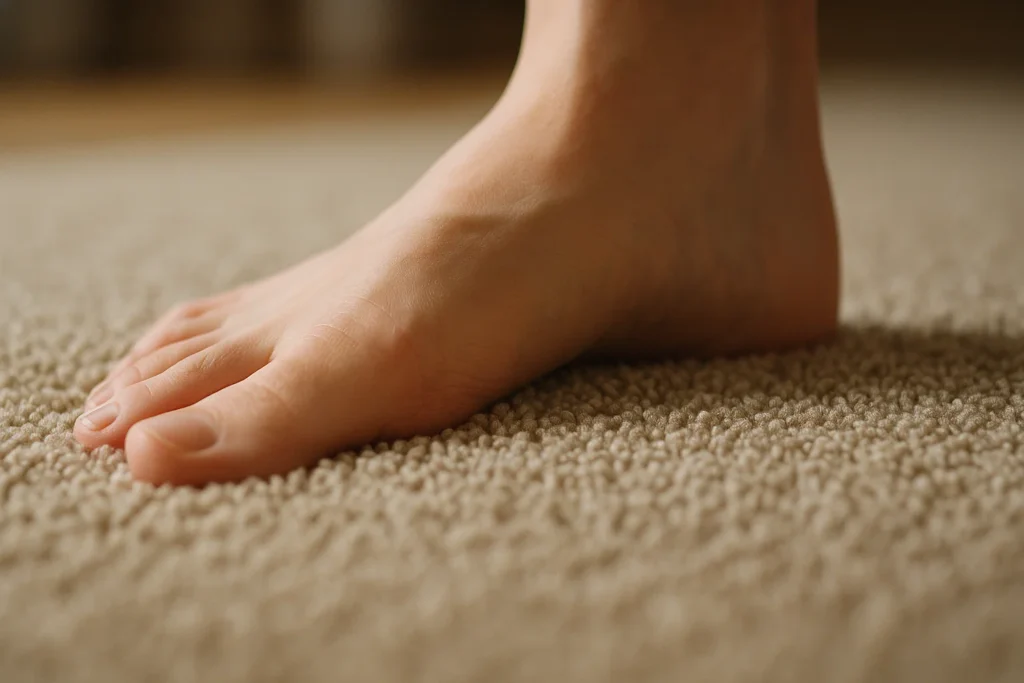
Polyester offers good insulation due to its fiber structure, which traps warm air effectively. It’s popular for its affordability and color retention.
Energy Efficiency Pros
- High warmth factor compared to many synthetic fibers
- Soft underfoot and ideal for bedrooms
- Eco-friendly versions available (made from recycled PET bottles)
Shag and Frieze Carpets
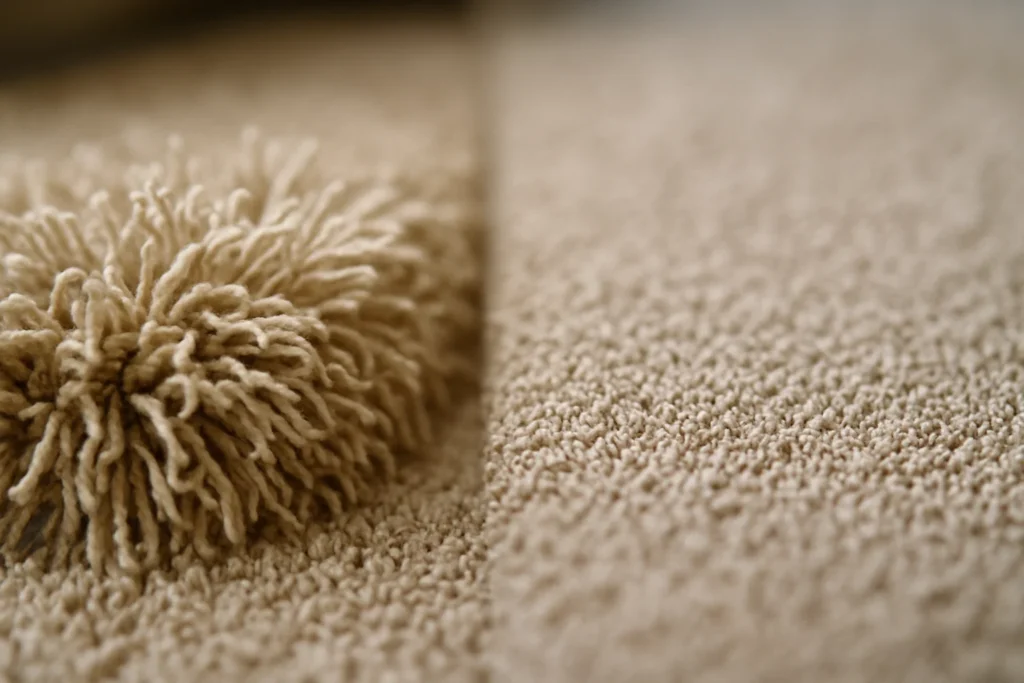
Carpets with thicker piles like shag and frieze tend to be more energy efficient because they retain more air between fibers.
Why Thick Pile Carpet Helps
- Deep, twisted fibers trap heat
- Great for bedrooms and lounges where warmth matters
- Offers high sound insulation
While not ideal for high-traffic areas, long-pile carpets are excellent for maximizing thermal comfort.
Related Topics:
Understanding the R-Value of Carpet for Energy Efficiency
What Is R-Value?
R-value measures how well a material resists heat flow. Higher numbers mean stronger insulation. Here’s how common flooring types compare:
| Flooring Type | Approximate R-Value |
|---|---|
| Ceramic tile | 0.05–0.20 |
| Hardwood | 0.70 |
| Laminate | 0.40 |
| Vinyl | 0.20–0.50 |
| Carpet (with padding) | 1.5–2.5 or higher |
How R-Value Improves Home Efficiency
Installing the most energy efficient carpet increases overall thermal resistance, which reduces:
- Heat loss through floors
- Cold drafts in winter
- Noise transfer
- Heating system usage
Carpet’s insulating benefits are especially noticeable in multi-story homes and rooms over unheated spaces, like garages and basements.
Most Energy Efficient Carpet Padding Options
Rebond Foam Padding
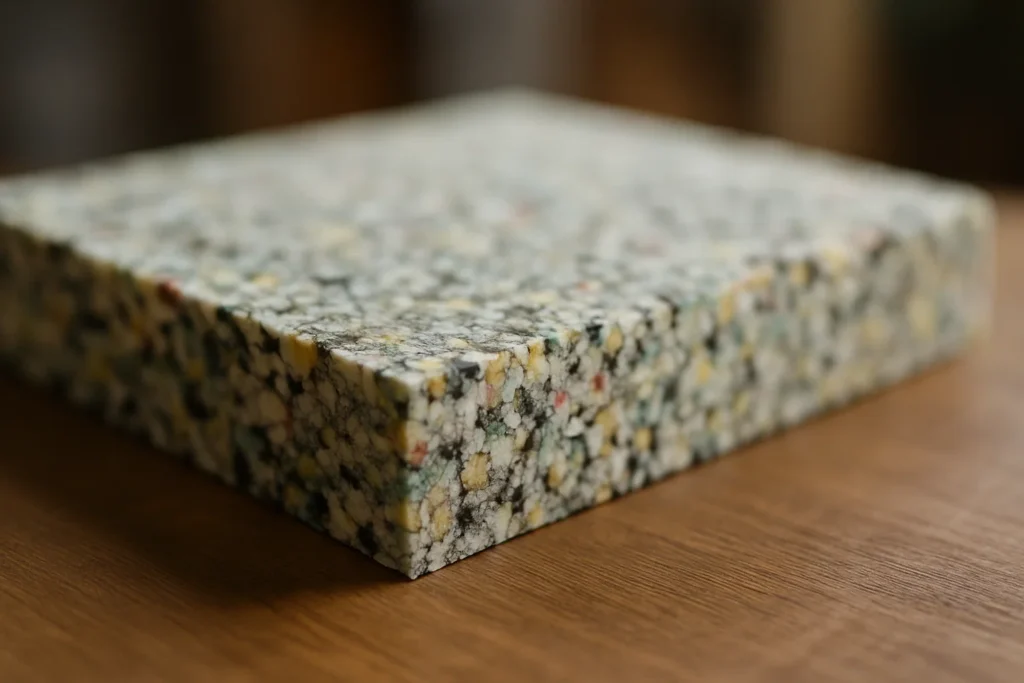
Rebond is one of the most popular carpet pads. Made from recycled foam scraps, it offers excellent cushioning and insulation.
Why It’s Energy Efficient
- Thick, dense structure
- Strong R-value
- Eco-friendly material source
- Cost-effective
Memory Foam Padding
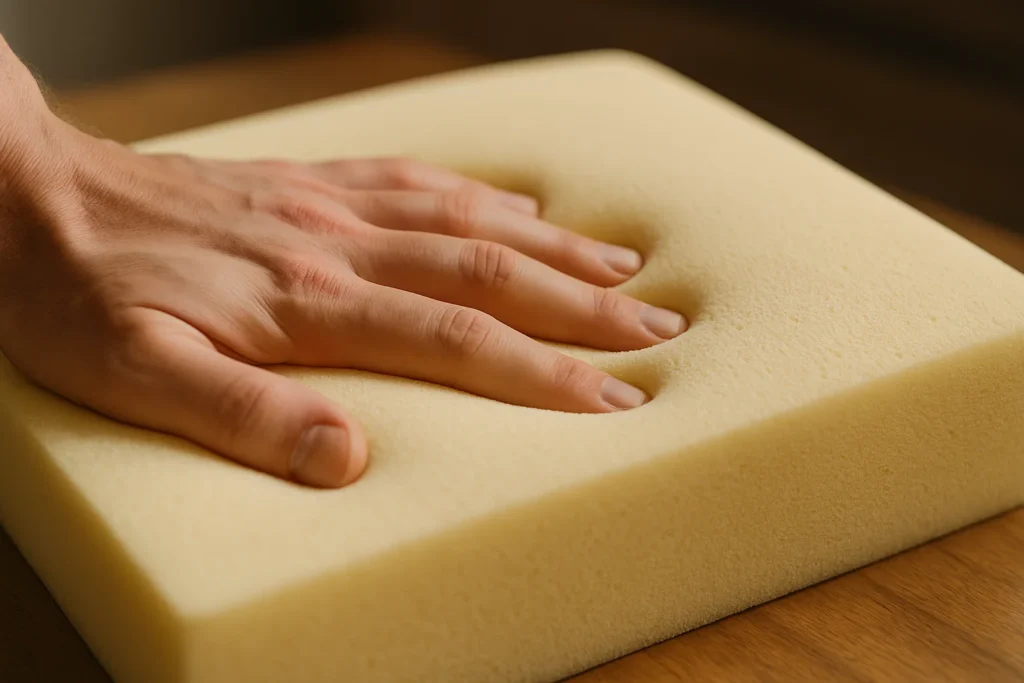
Memory foam pads offer superior comfort and insulation.
Energy Efficiency Benefits
- High R-value compared to standard foam
- Excellent heat retention
- Ideal for bedrooms and home theaters
The downside is that memory foam may not suit high-traffic areas.
Rubber Padding
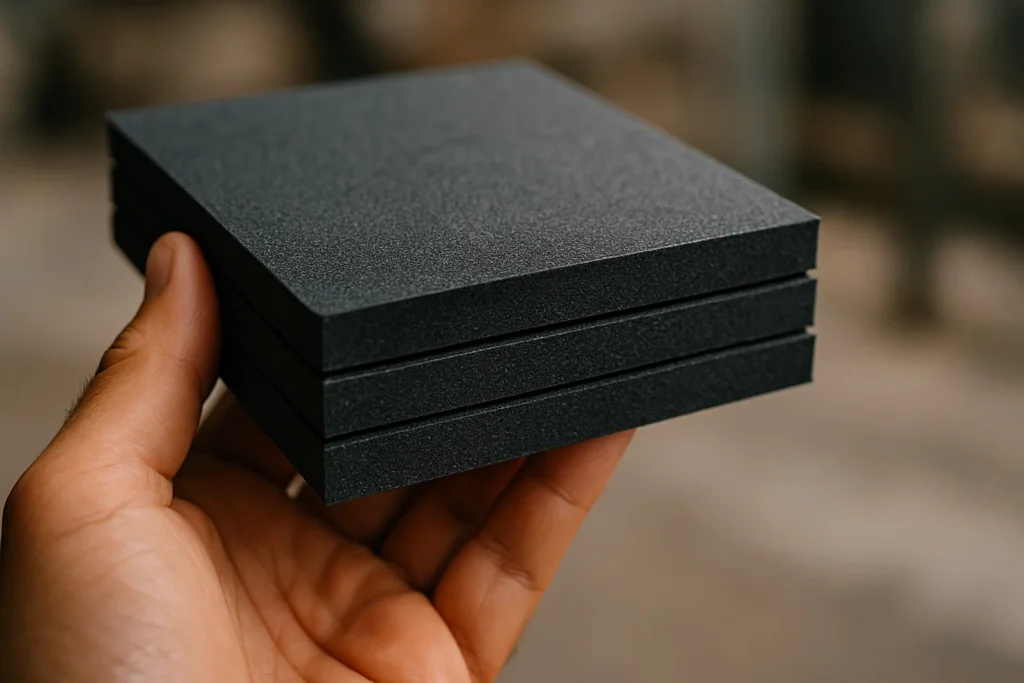
Rubber pads provide excellent durability and insulation.
Why Rubber Padding Helps
- High density prevents heat escape
- Ideal for families with pets
- Highly durable and long-lasting
Rubber padding tends to cost more, but it significantly boosts insulation performance.
Wool Felt Padding
For eco-conscious homeowners, wool padding is one of the best choices.
Benefits
- Natural insulation
- Hypoallergenic
- Fire-resistant
- Long lifespan
Paired with a wool carpet, it creates one of the most energy efficient flooring systems available.
Related Topic: Carpet Knife Techniques Every DIY Installer Should Know
Most Energy Efficient Carpet Styles for Homes
Plush & High-Density Carpet
Carpets with tight, dense piles retain heat more effectively than loose or low-profile styles.
Why Density Matters
- Prevents warm air from escaping
- Durable in high-traffic rooms
- Helps carpets maintain R-value even after years of use
Cut Pile Over Loop Pile
Cut pile carpets generally provide better insulation due to their thicker, more flexible fibers.
Best Choices
- Saxony
- Plush
- Frieze
- Textured cut pile
Loop pile carpets are more durable but not as insulating.
Thicker Carpet = Higher R-Value
A thicker carpet tends to be more energy efficient. Combined thickness of carpet + padding determines the total insulation rating.
Energy Efficiency in Different Climate Zones
Cold Climates
In colder regions, the most energy efficient carpet types are:
- Wool
- Frieze
- Thick plush cut pile
Best padding choices include:
- Memory foam
- Wool felt
- High-density rebond
These combinations provide maximum heat retention.
Moderate Climates
For moderate climates, Triexta and nylon carpets with medium-thickness padding often provide the best balance between cost and efficiency.
Warm Climates
Carpet still contributes to energy efficiency in hot climates by reducing heat transfer and preventing floors from becoming uncomfortably hot.
Breathable materials like wool help regulate humidity and temperature naturally.
How Carpet Installation Affects Energy Efficiency
Poor installation can create gaps that allow cold air to seep in around the edges. Proper sealing ensures maximum insulation and comfort.
A well-stretched carpet performs better, wears longer, and maintains its insulating properties.
Even the most energy efficient carpet won’t reach full potential without proper padding. Always pair your carpet with a good-quality, thick underlay for best results.
Related Topic: Subfloor Preparation Carpet: Expert Subfloor Preparation
Carpet vs. Hard Flooring for Energy Efficiency
Why Carpet Outperforms Hard Floors
Hard floors like tile, laminate, or vinyl have significantly lower R-values. This means they allow heat to escape faster, making rooms feel colder.
Carpet, on the other hand:
- Reduces heat loss
- Retains warm air
- Makes rooms feel more comfortable
- Lowers energy consumption
Where Carpet Makes the Biggest Difference
- Bedrooms
- Living rooms
- Finished basements
- Hallways
- Multi-story homes
- Kids’ rooms
Eco-Friendly Options for Energy Efficient Carpets
Recycled Content Carpets
These carpets use materials like PET plastic bottles, reducing environmental impact while improving insulation.
Sustainable Natural Fibers
Wool remains the top eco-friendly choice due to its renewable, biodegradable nature and high insulation value.
Low-VOC Carpets
Low-VOC carpets improve indoor air quality and are safer for families and pets.
Green Label Plus Certification
Look for this certification when choosing the most energy efficient carpet. It ensures the carpet meets strict environmental and indoor air quality standards.
Cost Breakdown
Reduced Heating Bills
A high-quality carpet can reduce heat loss significantly, leading to lower heating bills during winter months.
Longer Carpet Lifespan
Dense, high-quality carpets last longer, reducing the need for replacements.
Lower Environmental Cost
Eco-friendly carpets reduce landfill waste, chemical use, and carbon emissions.
Overall, choosing the most energy efficient carpet is both a financial and environmental win.
Related Topic: Carpet Seam Repair: DIY Guide to Flawless Flooring
Conclusion
Choosing the most energy efficient carpet can dramatically improve indoor comfort, reduce energy bills, and create a warmer, quieter, and more sustainable home. Whether you choose natural wool, durable Triexta, or a thick plush synthetic carpet, pairing it with the right padding and installation technique will give you maximum insulation and long-term value.
Energy efficient carpet is one of the simplest upgrades you can make to create a cozier, greener living space and the savings start the moment you install it.
FAQs
What type of carpet is the best insulator?
Wool provides the highest natural insulation due to its dense fibers and air-trapping structure. Triexta and thick plush synthetic carpets also offer strong R-values, especially when combined with high-quality padding.
Is carpet or hardwood more energy efficient?
Carpet is significantly more energy efficient than hardwood because it has a much higher R-value. Carpeting helps trap warm air and reduce heat loss, making rooms feel warmer and lowering energy bills.
Does thicker carpet save more energy?
Yes. Thicker carpet provides better insulation because it traps more air within the fibers. When paired with a thick, high-density carpet pad, the total R-value increases even further.
What is the most energy efficient carpet pad?
Memory foam and wool felt pads deliver the highest insulation performance. High-density rebond foam is also a great option for homeowners who want a balance between cost and energy efficiency.
1 thought on “The Most Energy Efficient Carpet: A Complete Guide to Warmer, Greener, and Cost-Saving Floors”