
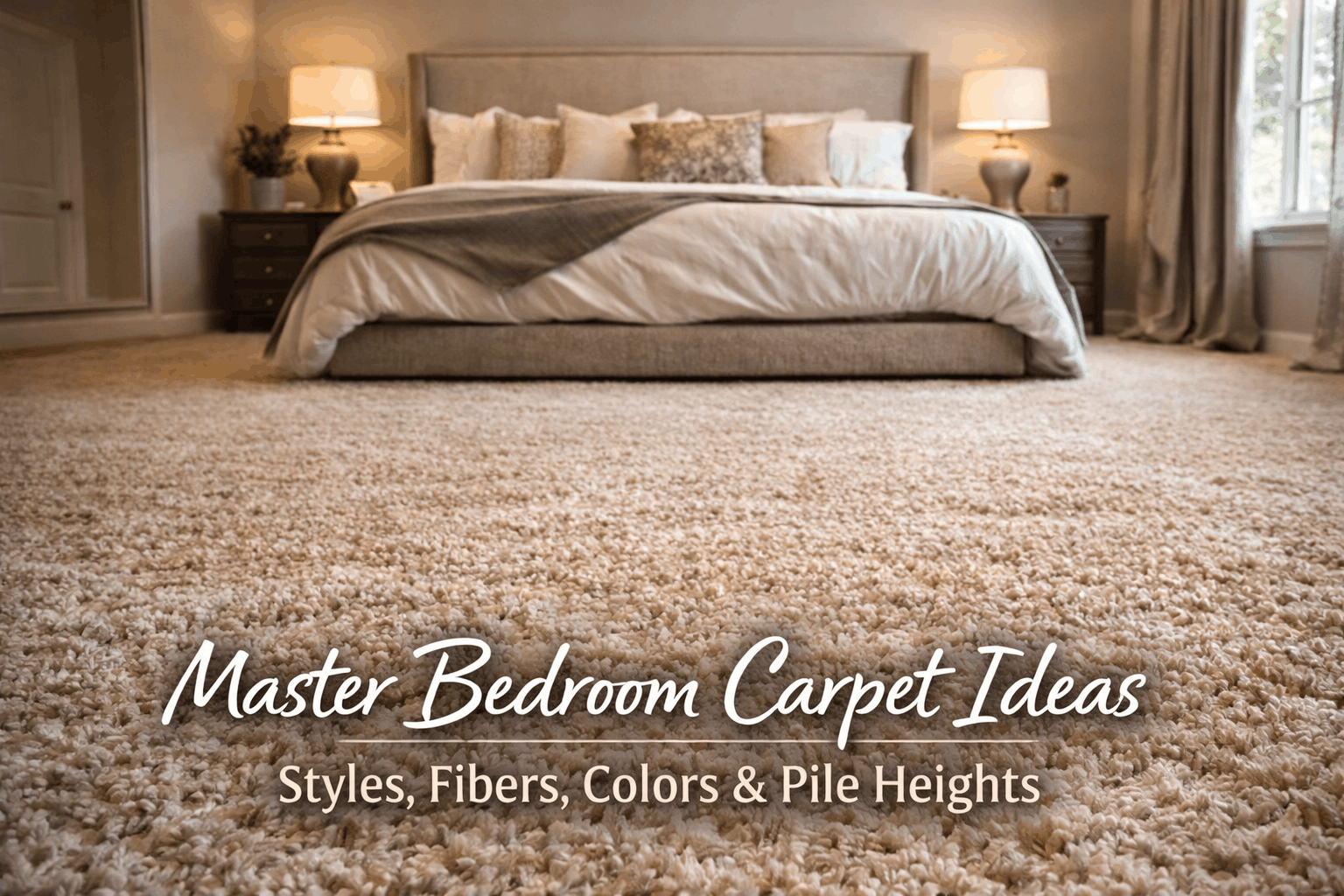
Carpet remains one of the most popular flooring choices for bedrooms worldwide and for good reason. It is warm underfoot on cold mornings, absorbs sound between floors, adds insulation, and creates the soft, cocooning atmosphere that a true bedroom retreat demands.
But not all carpet is created equal, and choosing the wrong type can lead to years of frustration with matting, staining, or a look that ages quickly.
This guide covers everything you need to make the right decision for your master bedroom from fiber types and pile heights to colors, patterns, underlay, and the mistakes most people make when buying bedroom carpet.
Why Carpet Works So Well in Bedrooms
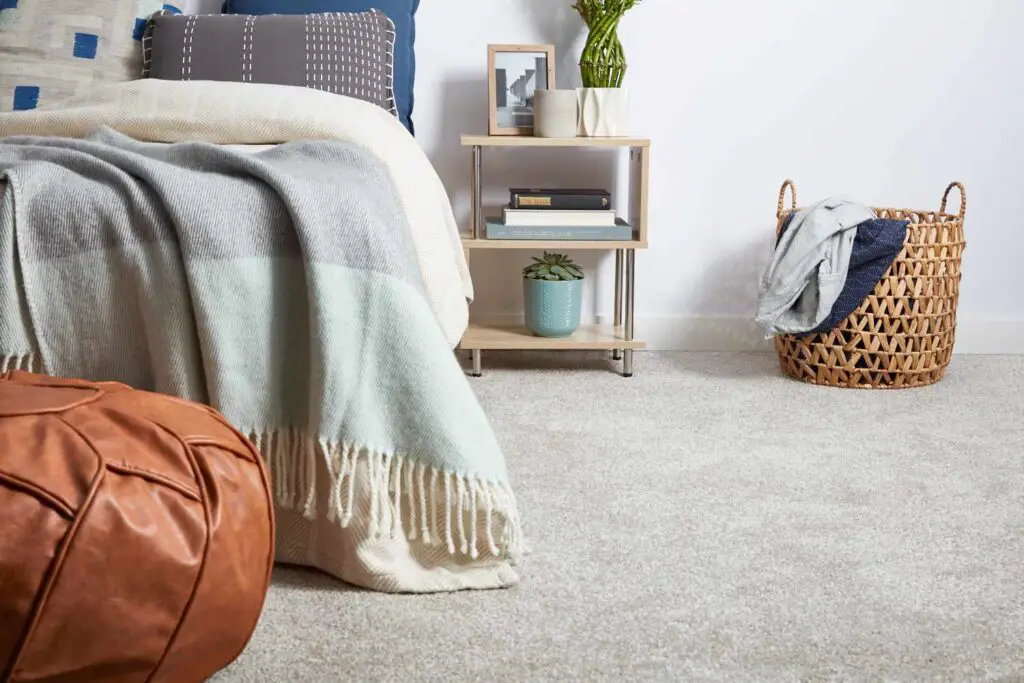
Before diving into styles and specifications, it is worth understanding why carpet consistently outperforms hard flooring in bedroom applications because this shapes every choice you make afterward.
- Thermal comfort: Carpet has a natural insulating quality that hard floors cannot match. It retains warmth and creates a significantly warmer underfoot experience particularly important in the morning when you first step out of bed.
- Sound absorption: Carpet absorbs both airborne noise (voices, music) and impact noise (footsteps). In multi-storey homes, bedroom carpet dramatically reduces sound transmission between floors a quality no hard floor can replicate without significant additional work.
- Safety: Carpet provides a slip-resistant, cushioned surface that reduces the risk of injury from falls particularly relevant in bedrooms shared by young children or elderly family members.
- Visual softness: The texture of carpet introduces a sense of warmth, comfort, and intimacy that hard floors struggle to achieve. Bedrooms are spaces of rest and vulnerability visually soft surfaces support that atmosphere naturally.
- Air quality: Modern carpet actually traps airborne dust particles in its fibers, preventing them from circulating through the room. Regular vacuuming removes them. Hard floors, by contrast, allow dust to remain in the air longer.
Carpet Fiber Comparison: Which Is Best for a Bedroom?
The fiber your carpet is made from determines its softness, durability, stain resistance, and cost. This is the single most important decision you will make when buying bedroom carpet.
| Fiber | Softness | Durability | Stain Resist. | Cost | Best For |
| Wool | Excellent | Excellent | Good | High | Luxury master bedrooms |
| Nylon | Very Good | Excellent | Very Good | Mid-High | High-traffic bedrooms |
| Polyester (PET) | Excellent | Moderate | Excellent | Low-Mid | Low-traffic bedrooms |
| Triexta (PTT) | Excellent | Very Good | Excellent | Mid | Family & kids’ bedrooms |
| Polypropylene | Moderate | Good | Excellent | Low | Budget applications |
Wool
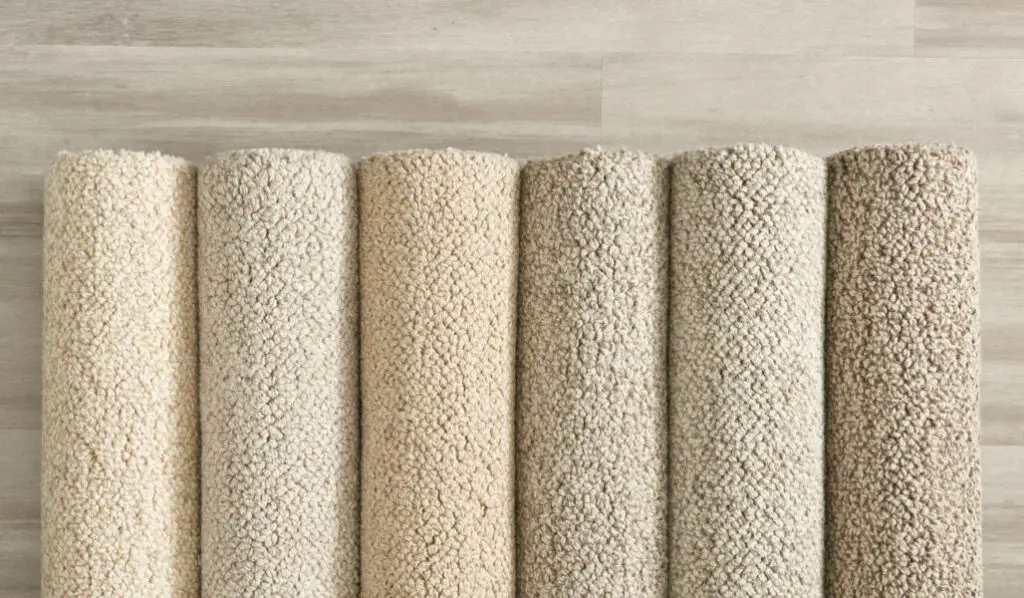
Wool is the premium choice for bedroom carpet. It is naturally soft, naturally flame-resistant, breathable, and has a resilience that allows it to spring back after compression meaning it keeps its look longer than synthetic alternatives.
Wool also regulates temperature naturally, staying cool in summer and warm in winter. The trade-off is cost wool carpet can be two to three times the price of synthetic options. For a luxury master bedroom where longevity and natural materials are priorities, it is worth every penny.
Nylon
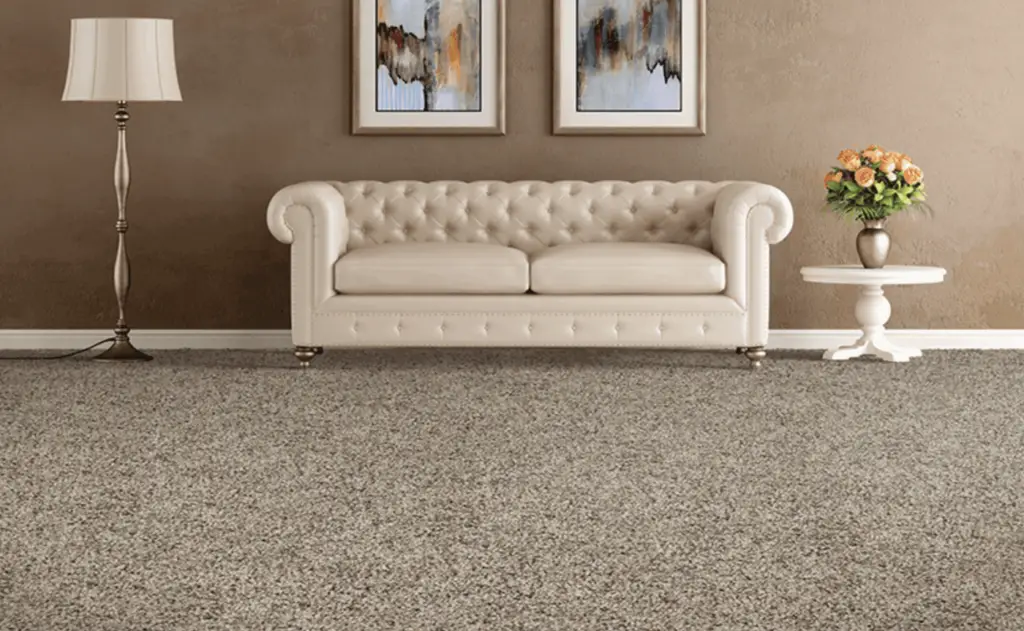
Nylon is the most durable synthetic fiber available and the top choice for bedrooms that see heavy use. It resists crushing and matting under furniture better than polyester, holds dye well for consistent color over time, and responds well to stain treatments.
If you have children or pets who use the bedroom frequently, nylon is the most practical premium choice.
Polyester and Triexta
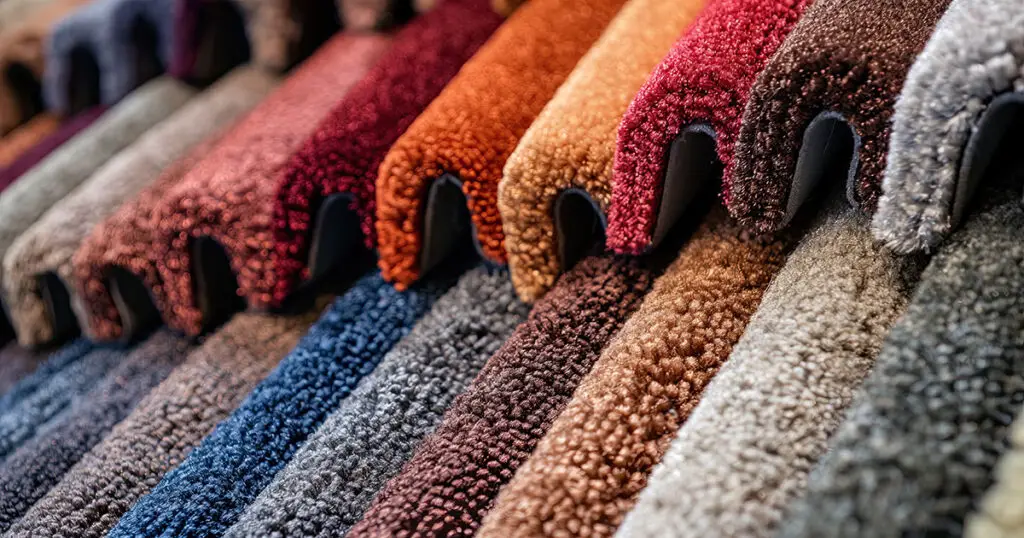
Polyester carpet offers exceptional softness often softer than wool at a fraction of the price and excellent built-in stain resistance since the fiber does not absorb liquid easily. Its weakness is resilience: polyester tends to mat and flatten in high-traffic areas over time.
For a master bedroom where foot traffic is relatively light, this trade-off is often acceptable. Triexta (used in brands like Mohawk’s SmartStrand) combines polyester’s softness and stain resistance with improved durability, making it one of the most practical choices for family bedrooms.
Related Topics:
Pile Height Guide: Low, Medium, and High Pile Explained
Pile height, the length of the carpet fibers, significantly affects how a bedroom carpet looks, feels, and performs. It is measured in inches or millimeters and generally falls into three categories.
Low Pile (Under 1/4 inch / 6mm)
Low pile carpets are dense, flat, and easy to maintain. They do not trap as much dirt or pet hair and are easier to vacuum thoroughly. Styles like Berber, loop pile, and flat-weave fall into this category. In a bedroom, low pile works well for minimalist or contemporary interiors where a clean, refined look is preferred. It is also the better choice if the bedroom has heavy furniture that would sink visibly into a deeper pile.
Medium Pile (1/4 to 1/2 inch / 6–12mm)
Medium pile is the most versatile and widely recommended range for bedrooms. Cut pile styles like Saxony and textured carpet sit in this range.
They offer a good balance of softness, practicality, and visual appeal, soft enough to feel luxurious underfoot, but practical enough to vacuum easily and resist matting with regular foot traffic. For most bedrooms, a quality medium pile carpet in nylon or triexta fiber will outperform both extremes.
High Pile (Over 1/2 inch / 12mm+)
High pile and shag carpets offer the most dramatic sensory experience, deeply soft and visually lush, they create an immediately cocooning atmosphere in a bedroom. The trade-off is maintenance: long fibers trap more dust, pet hair, and debris, and are more difficult to vacuum thoroughly.
High pile also shows footprints and vacuum tracks more prominently. In a master bedroom used primarily by adults, high pile carpet can be a genuine luxury statement, in a children’s room or high-traffic space, the maintenance demands become impractical quickly.
Bedroom Carpet Styles: A Complete Breakdown
Plush / Saxony
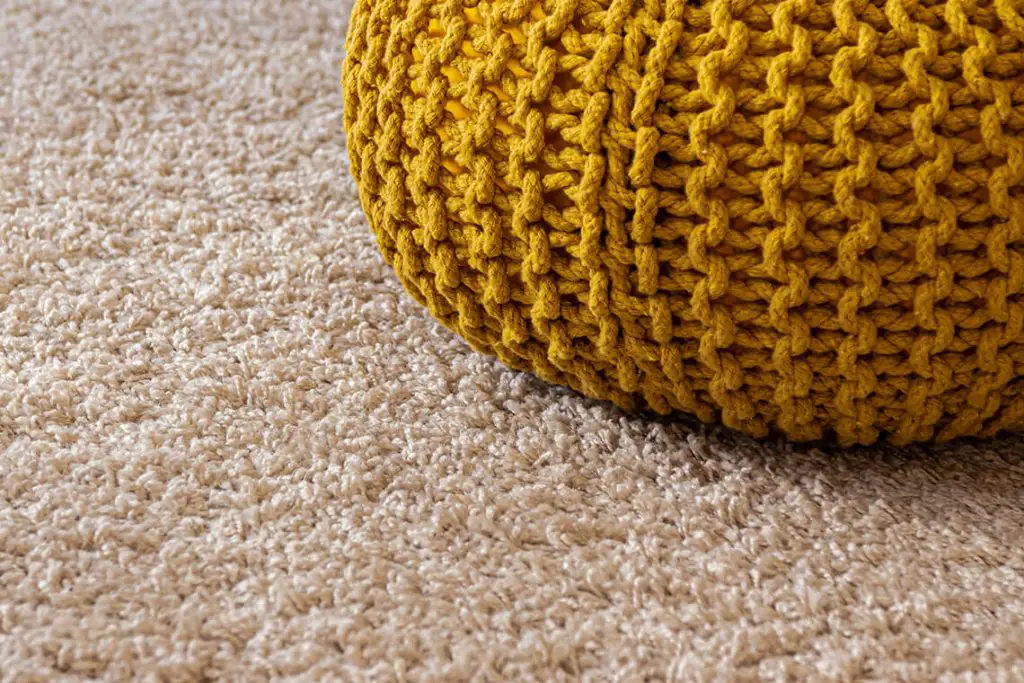
Plush Saxony carpet features upright, evenly cut fibers that create a smooth, velvety surface. It is one of the most popular bedroom choices because of its luxurious appearance and soft feel underfoot.
The limitation is that it shows footprints and vacuum marks an inherent quality of the flat, upright pile that is worth accepting if the luxurious look is the priority. Choose a mid-toned color to minimize the visibility of footprints.
Textured Cut Pile

Textured cut pile uses twisted fibers of varying heights to create a casual, informal surface that actively hides footprints and everyday wear. It is the most forgiving bedroom carpet style for everyday living it consistently looks tidy with minimal effort.
For bedrooms that need to look presentable without constant attention, textured cut pile in a neutral tone is one of the most practical choices available.
Berber / Loop Pile

Berber carpet uses uncut loops of fiber to create a low, tight, dense surface. It is extremely durable and easy to maintain, and its speckled, flecked patterns naturally conceal dirt and wear. In a bedroom, Berber works well in contemporary or minimalist interiors where a clean, understated floor is preferred. One caution: loop pile snags easily if pets with claws use the room, as claws can catch and pull the loops.
Frieze / Twist
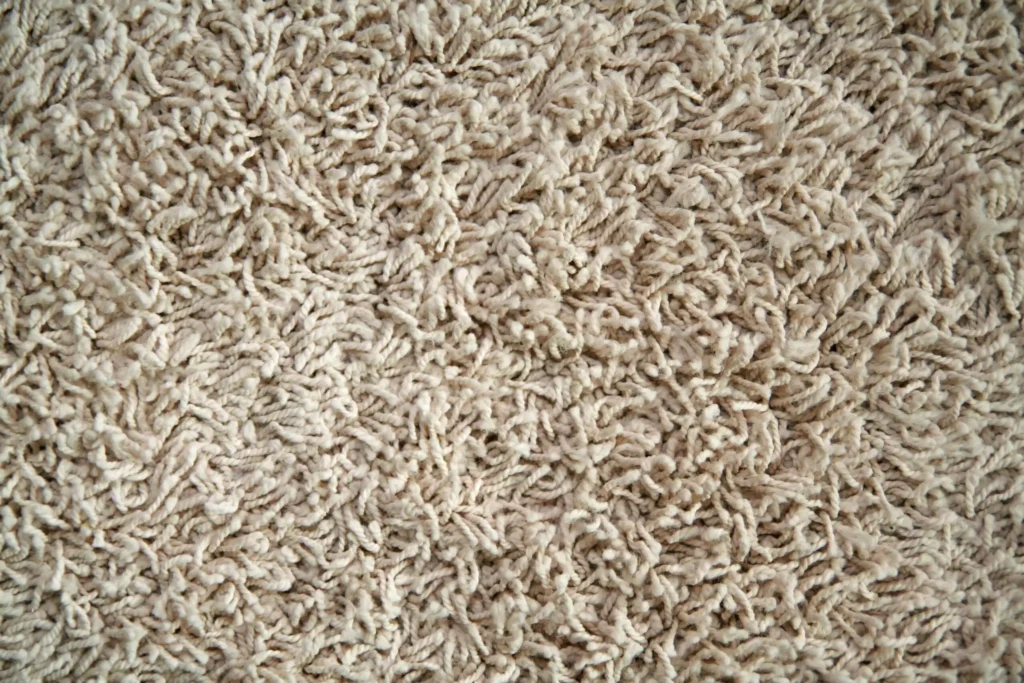
Frieze carpet features highly twisted fibers that curl in multiple directions, creating a shaggy, informal texture that is extremely effective at hiding footprints and wear.
It has a relaxed, casual aesthetic that works well in eclectic, bohemian, or contemporary bedrooms. Frieze carpet in darker or mixed tones is one of the most low-maintenance bedroom carpet options available.
Velvet / Cut Pile Luxury

Velvet carpet is a premium, very densely packed cut pile that creates an almost mirror-smooth surface of extraordinary softness. It is the most formal and luxurious bedroom carpet style appropriate for master bedrooms where visual impact and underfoot sensation are the primary priorities.
Like Saxony, it shows footprints readily, but this is widely accepted as the aesthetic trade-off for its exceptional appearance.
Related Topics:
Bedroom Carpet Colors: What Works and Why
Color is one of the most subjective aspects of carpet selection, but certain principles consistently guide successful bedroom choices.
Neutral and Earth Tones
Warm neutrals cream, taupe, warm grey, oatmeal, and sandy beige — are the perennial best-sellers in bedroom carpet for good reason. They create a calm, restful backdrop that works with virtually any wall color, bedding, and furniture.
They make rooms feel larger and lighter, and they age gracefully as décor trends change. For a master bedroom intended to feel like a true retreat, a warm neutral carpet is rarely the wrong choice.
Soft Greys and Blue-Greys
Cool grey and blue-grey tones have become increasingly popular in contemporary bedrooms. They pair beautifully with white, charcoal, navy, and blush tones and create a sophisticated, calm atmosphere.
Cool grey tones work particularly well in rooms with good natural light in darker rooms, they can feel cold and heavy, in which case a warmer grey with beige undertones is a better choice.
Deep, Rich Tones
Deep charcoal, navy, forest green, and burgundy carpets make bold, dramatic statements in master bedrooms. Used well, they create an enveloping, luxurious atmosphere particularly in rooms with high ceilings or large windows where the depth of color does not feel oppressive.
Rich carpet tones work best when the walls, bedding, and furniture are lighter and more neutral, allowing the floor to anchor the room without overwhelming it.
Practical Color Considerations
- Light carpets: Show dirt and staining more readily but make rooms feel larger and brighter. Best in low-traffic master bedrooms used primarily by adults.
- Mid tones: The most practical choice they conceal everyday wear while still adding warmth and character. Ideal for family bedrooms.
- Dark carpets: Show light-colored debris (pet hair, dust, lint) more visibly. Require regular vacuuming to maintain their appearance.
- Patterned or multi-toned carpets: The most forgiving option in terms of showing wear, footprints, and minor staining. Ideal for high-traffic or children’s bedrooms.
Carpet Patterns for Bedrooms
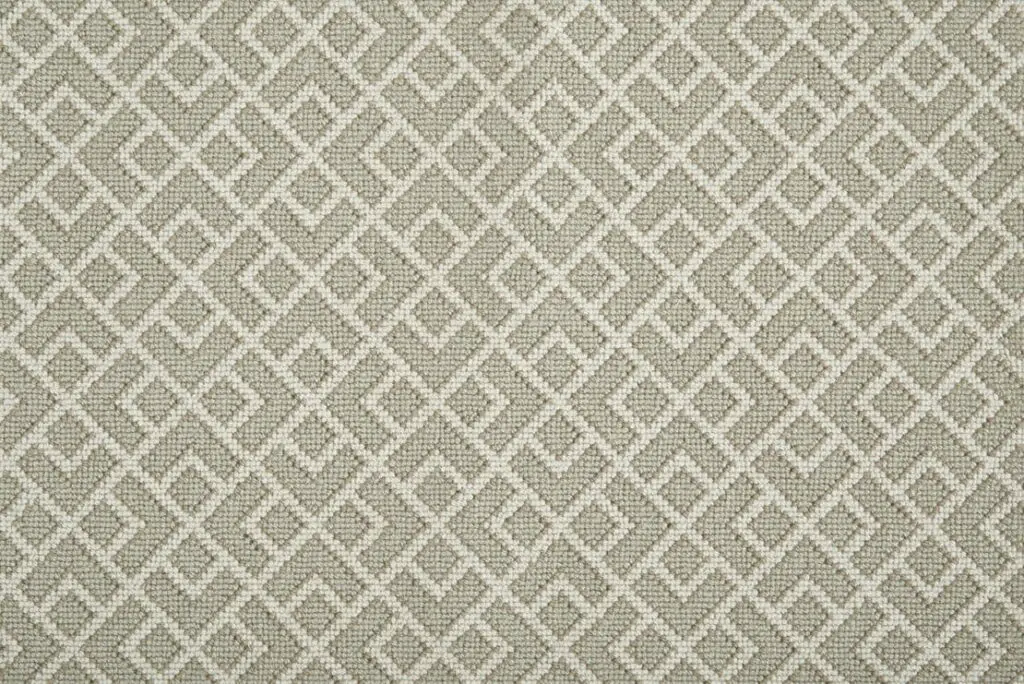
While plain carpet remains the most popular bedroom choice, patterned carpets are experiencing a strong revival particularly in master bedrooms where homeowners want to create a genuine design statement.
- Geometric patterns: Bold geometric designs — diamonds, chevrons, hexagons — add graphic energy to a bedroom without competing with furniture or wall art. They work particularly well in contemporary and mid-century modern interiors.
- Subtle tone-on-tone patterns: Patterns created using the same color family in different pile heights create a sophisticated, textured look that adds visual interest without being overtly bold. These are one of the most versatile and enduringly stylish bedroom carpet choices.
- Floral and organic patterns: Traditional floral carpet patterns are seeing a strong revival in eclectic, maximalist, and heritage-inspired bedrooms. A well-chosen floral carpet can anchor a room beautifully, particularly in period properties.
- Striped carpets: Horizontal stripes create a room-widening effect; vertical or running stripes create the illusion of length. Stripes work particularly well in bedrooms with strong architectural features like bay windows or high ceilings.
Carpet by Bedroom Type
Master Bedroom
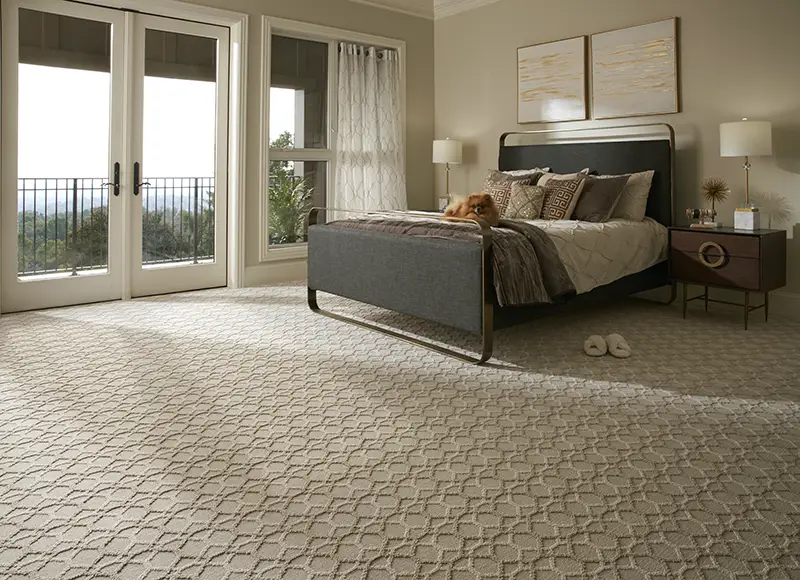
The master bedroom warrants the highest investment in quality, softness, and visual impact. Wool or premium nylon in a plush Saxony or velvet style, in a warm neutral or sophisticated deep tone, is the gold standard.
Prioritize pile density a denser carpet will feel more luxurious underfoot and maintain its appearance far longer than a less dense alternative at the same pile height. Always pair with a high-quality underlay (see below).
Guest Bedroom
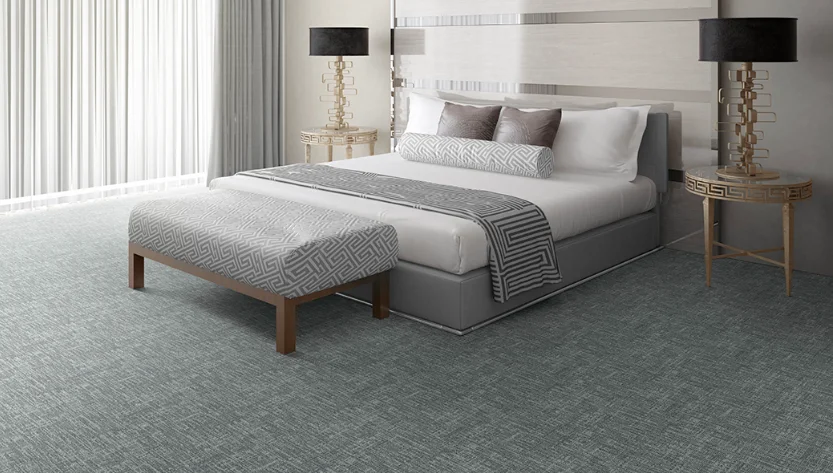
Guest bedrooms benefit from durable, easy-maintenance carpet that still looks welcoming. A textured cut pile in nylon or triexta in a neutral mid-tone is the most practical choice it will look consistently presentable between infrequent uses and handle occasional guest traffic without showing wear. Avoid high pile styles in guest rooms where the carpet may go months without deep vacuuming.
Children’s Bedroom
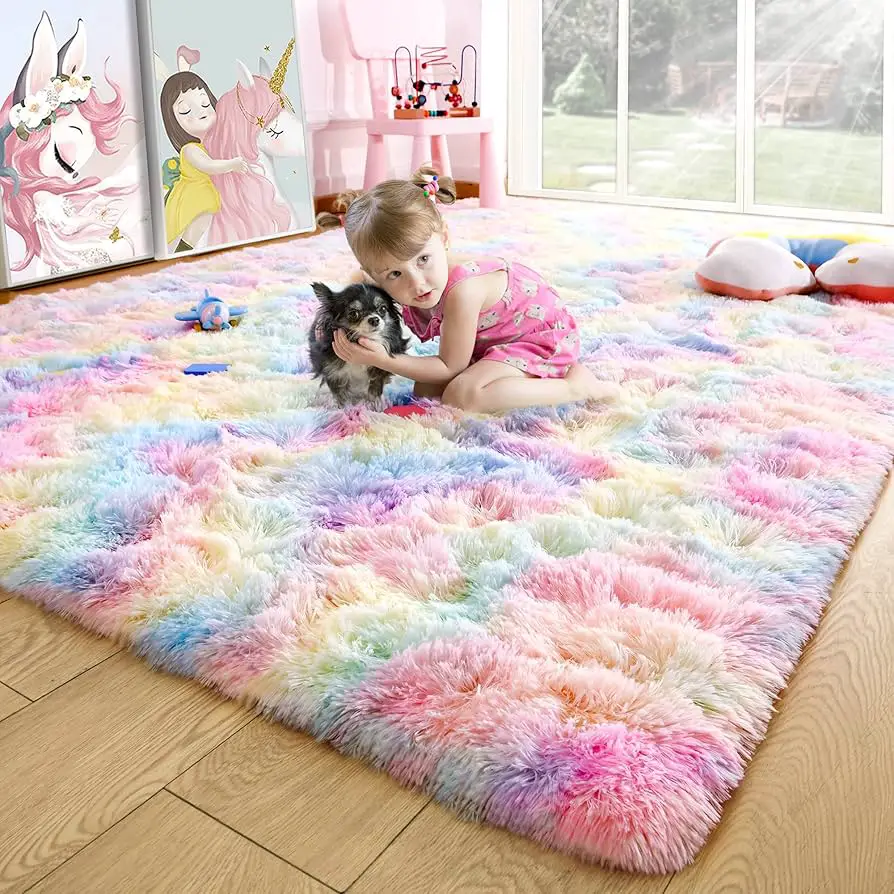
Children’s bedrooms demand durability, stain resistance, and safety above luxury. Triexta (SmartStrand) or solution-dyed nylon offer the best combination of softness, stain resistance, and resilience. Choose mid-toned or patterned carpet that conceals the inevitable spills and dirt.
Avoid loop pile Berber styles, which can snag on toys and clothing. A medium pile in a playful color or subtle pattern is the most practical and enjoyable choice for a child’s room.
Related Topic: What Type of Carpet Stays the Cleanest? The Ultimate Guide for a Spotless Home
Underlay: The Most Overlooked Factor in Bedroom Carpet
Underlay is the layer installed between the carpet and the subfloor — and it is one of the most important decisions in the entire carpet buying process.
Yet most articles on bedroom carpet ideas never mention it. This is a significant oversight, because a cheap underlay will make even a premium carpet feel average, while a quality underlay will transform a mid-range carpet into something that feels genuinely luxurious.
- What underlay does: It provides cushioning that determines how soft the carpet feels underfoot. It insulates thermally and acoustically. It extends carpet lifespan by reducing the direct abrasion of foot traffic on the carpet backing. It prevents the carpet from slipping on smooth subfloors.
- Underlay thickness: For bedrooms, a thicker underlay (10–12mm) is ideal it maximizes the soft, cushioned feel underfoot that makes a bedroom carpet so pleasurable. Thinner underlays (6–8mm) are more appropriate for high-traffic areas where stability is more important than cushioning.
- Underlay density: Measured in kg/m³. For bedrooms, a density of 100–130 kg/m³ provides the ideal combination of comfort and support. Too low a density compresses quickly and loses its cushioning effect; too high a density reduces the plush sensation.
- Don’t compromise: Budget 15–20% of your total carpet budget for quality underlay. Spending less on underlay to save money for carpet is rarely the right trade-off the underlay is what you feel, and its quality is immediately apparent underfoot.
Bedroom Carpet Cost Guide
Carpet costs vary significantly by fiber, style, and quality. Here is a practical breakdown to set realistic expectations:
| Carpet Type | Materials Only | Incl. Underlay & Install | Expected Lifespan |
| Budget polypropylene | £5–£10 / $6–$12 per m² | £15–£25 / $18–$30 per m² | 5–8 years |
| Mid polyester/triexta | £10–£20 / $12–$25 per m² | £25–£40 / $30–$50 per m² | 8–15 years |
| Premium nylon | £20–£35 / $25–$45 per m² | £35–£60 / $45–$75 per m² | 15–20 years |
| Luxury wool | £35–£80+ / $45–$100+ per m² | £55–£110+ / $70–$140+ per m² | 20–30 years |
6 Common Bedroom Carpet Mistakes to Avoid
- Prioritizing softness over fiber resilience: The softest carpet in the store is often polyester which also mats and flattens the fastest. Always ask about resilience and recovery, not just initial softness. A wool or nylon carpet will feel great for decades; a cheap polyester may look tired within a few years.
- Choosing underlay based on price alone: A premium carpet on a poor underlay will feel and perform below its potential. Always invest in quality underlay it is the foundation of everything your carpet feels like underfoot.
- Selecting too light a color for the room’s use: Cream and white carpets look stunning in showrooms. In a real bedroom, they show every spill, pet hair strand, and piece of dirt. If you love light carpet tones, choose a mid-tone neutral rather than a very light one, or select a high-grade stain-treated fiber.
- Ignoring pile direction during installation: Cut pile carpet has a natural direction when laid, it should be installed with the pile running toward the main entrance of the room. Installed against the natural direction, the carpet looks lighter, flatter, and less luxurious. Always confirm pile direction with your installer before work begins.
- Not measuring for waste: Carpet comes in standard roll widths (typically 3.66m / 12ft or 4m / 13ft). Depending on your room’s dimensions, you may need to piece sections together or buy significantly more than the floor area. Always have a professional measure before ordering.
- Choosing style before fiber: Many people fall in love with a carpet’s look before understanding its fiber composition. Always confirm fiber type, pile density, and wear rating before committing to any bedroom carpet the style is secondary to the material performance.
Keeping Your Bedroom Carpet Looking Its Best
- Vacuum regularly: At least twice weekly in occupied bedrooms. Vacuuming is the single most important maintenance habit it prevents dirt from working deep into the pile where it causes abrasion and premature wear.
- Address spills immediately: Blot (never rub) liquid spills with a clean white cloth. Rubbing spreads the stain and pushes it deeper into the fibers. Use a carpet-safe cleaner appropriate to the fiber type.
- Use furniture coasters: Heavy bed frames and furniture create permanent compression marks in carpet pile. Furniture coasters distribute the weight and significantly reduce this effect.
- Professional deep clean annually: A professional hot water extraction clean once a year removes the deep-seated dirt that vacuuming cannot reach, refreshes the fibers, and dramatically extends carpet life.
- Rotate furniture occasionally: Shifting furniture positions by a few centimetres every year or two prevents permanent compression tracks from forming in the same spots.
FAQs
What is the best carpet for a master bedroom?
For a luxury master bedroom, wool carpet in a plush Saxony or velvet style paired with a thick, high-density underlay is the gold standard. For a more practical premium option, a high-density nylon in a textured cut pile will provide excellent softness, durability, and stain resistance at a lower price point. The key is to prioritize fiber quality and pile density over pile height alone.
What pile height is best for bedrooms?
A medium pile (6–12mm) offers the best balance of softness, practicality, and durability for most bedrooms. High pile (12mm+) feels more luxurious but requires more maintenance and mats more quickly. Low pile is more durable and easier to clean but sacrifices the soft, warm feel that most people want from a bedroom floor.
What carpet color is best for a small bedroom?
Warm neutrals and light tones — cream, oatmeal, warm beige, and light grey — make small bedrooms feel larger, brighter, and more open. If you want to add color without making the room feel smaller, choose a mid-toned neutral with a warm undertone rather than a very pale or very saturated color.
How long does bedroom carpet last?
Lifespan depends heavily on fiber type, pile density, underlay quality, and maintenance. Budget polypropylene carpet typically lasts 5–8 years. Quality polyester and triexta last 8–15 years. Premium nylon can last 15–20 years. Wool, when properly maintained, can last 20–30 years or more. Investing in quality upfront consistently delivers a lower cost per year of use than buying budget carpet and replacing it sooner.
Final Thoughts
The right master bedroom carpet transforms a functional sleeping space into a genuine personal retreat warm underfoot, quiet, soft, and visually inviting in a way that hard floors simply cannot replicate. The decision comes down to three core choices: the right fiber for your lifestyle and budget, the right pile style for your aesthetic and maintenance tolerance, and a quality underlay that makes everything above it feel better than it would alone.
Get those three fundamentals right, choose a color that creates the atmosphere you want to wake up and fall asleep in, and your bedroom carpet will serve you well for many years to come.
1 thought on “Master Bedroom Carpet Ideas: Styles, Fibers, Colors & Pile Heights”