
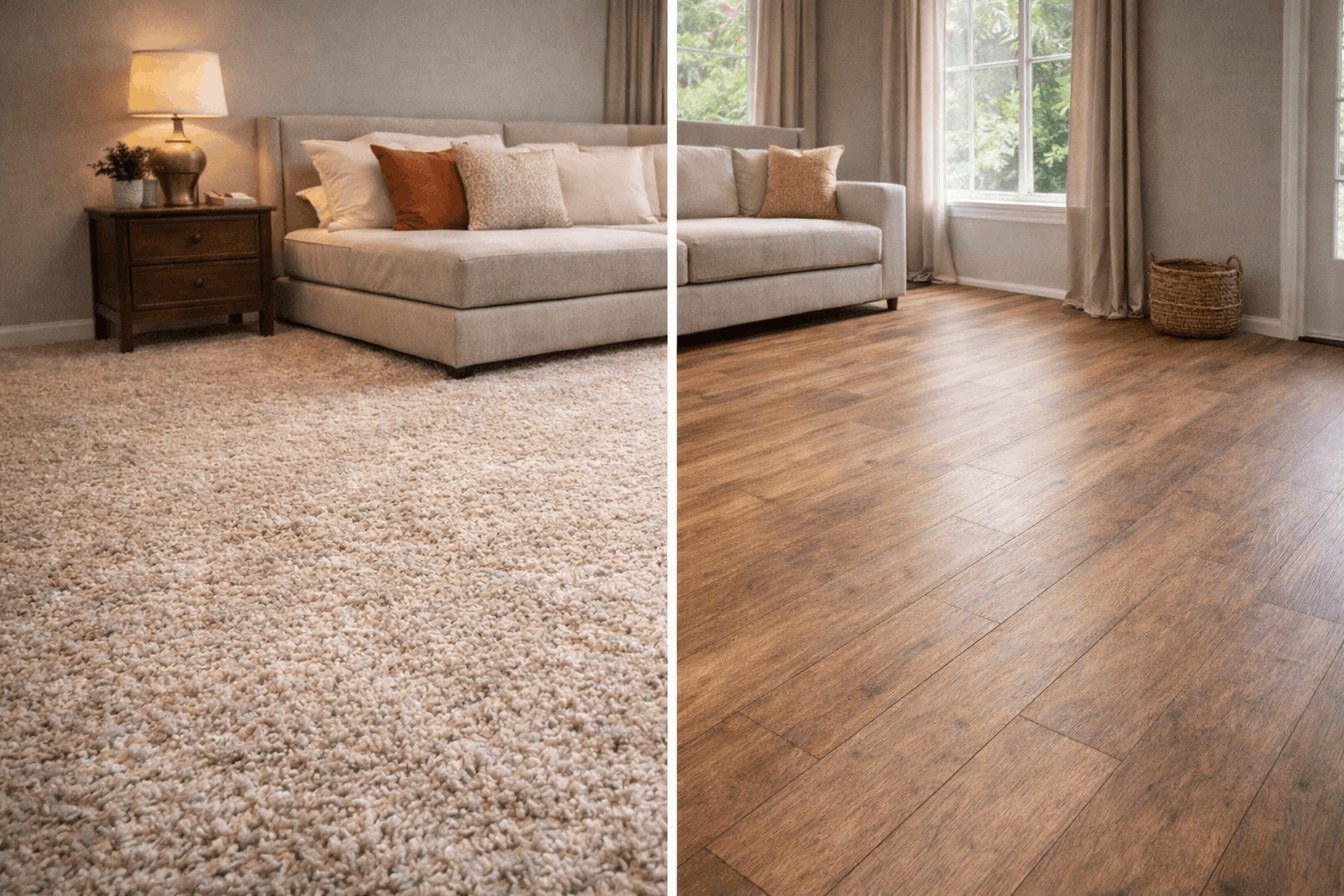
Carpet is cheaper upfront. Laminate costs more to install but lasts longer. That is the short answer, and it is accurate as far as it goes. But the real answer is more nuanced, because the cheapest option depends entirely on which costs you are counting, how long you plan to stay in your home, and which room you are flooring.
This guide breaks down every cost involved in both options, from materials and installation through maintenance, replacement cycles, and impact on resale value. By the end, you will have a clear answer for your specific situation rather than a vague generalisation.
The Quick Answer
Carpet is cheaper in upfront cost. For a standard room, professionally installed carpet typically costs less per square metre or square foot than laminate. However, laminate generally works out cheaper over a 10 to 15 year period because it lasts significantly longer, requires less maintenance, and does not need replacing as frequently as budget carpet.
If your priority is the lowest cost right now, carpet wins. If your priority is the lowest total spend over the life of the floor, laminate usually wins. Both statements are true, and understanding the difference is the key to making the right decision for your budget.
Upfront Cost Comparison: Materials and Installation
| Cost Factor | Carpet | Laminate |
| Budget materials | £5-£12 / $6-$14 per m² | £8-£15 / $10-$18 per m² |
| Mid-range materials | £12-£25 / $14-$30 per m² | £15-£30 / $18-$36 per m² |
| Premium materials | £25-£60+ / $30-$75+ per m² | £30-£60+ / $36-$72+ per m² |
| Underlay / underlayment | £3-£8 / $4-$10 per m² | £2-£6 / $2-$7 per m² |
| Professional installation | £6-£14 / $7-$16 per m² | £8-£18 / $10-$20 per m² |
| Typical total installed (mid) | £20-£45 / $24-$54 per m² | £25-£55 / $30-$65 per m² |
The difference at the budget and mid-range levels is modest: carpet typically comes in around 15 to 25 percent cheaper per square metre when everything is included.
At premium levels, the two products overlap in price considerably, and high-end carpet can actually cost more than high-end laminate.
Hidden Costs Most Guides Never Mention
Subfloor Preparation
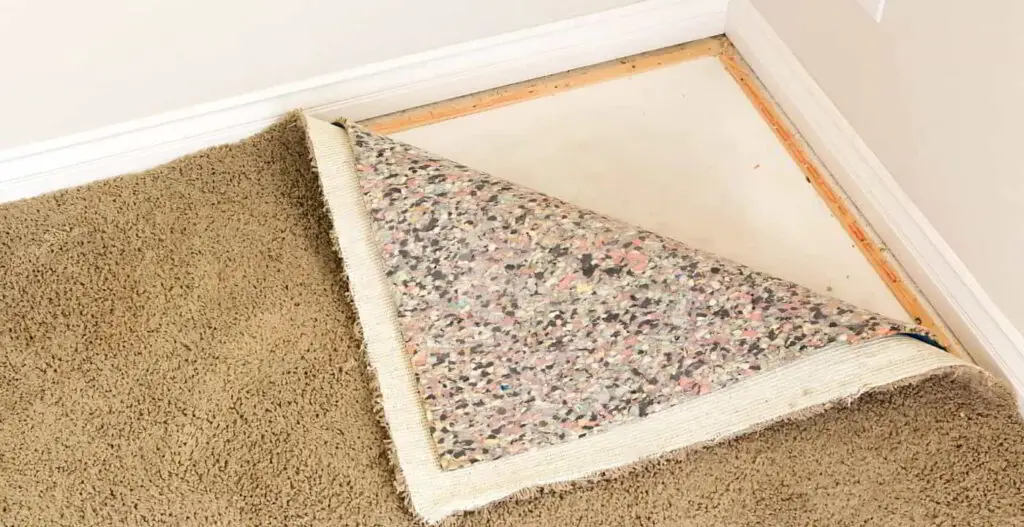
This is the cost that most comparison guides ignore entirely, yet it can be substantial. Laminate requires a completely flat, level, and dry subfloor. Any unevenness greater than 3mm over 1.8 metres (1/8 inch over 6 feet) must be corrected before installation, or the laminate will buckle, separate at the joints, and produce a hollow, clicking sound underfoot.
Depending on the existing subfloor condition, levelling compound or additional preparation can add £3 to £12 per square metre ($4 to $14 per sq ft) to the project cost.
Carpet is significantly more forgiving of minor subfloor imperfections. The underlay absorbs small irregularities, reducing or eliminating subfloor preparation costs in many cases.
Removal and Disposal of Old Flooring
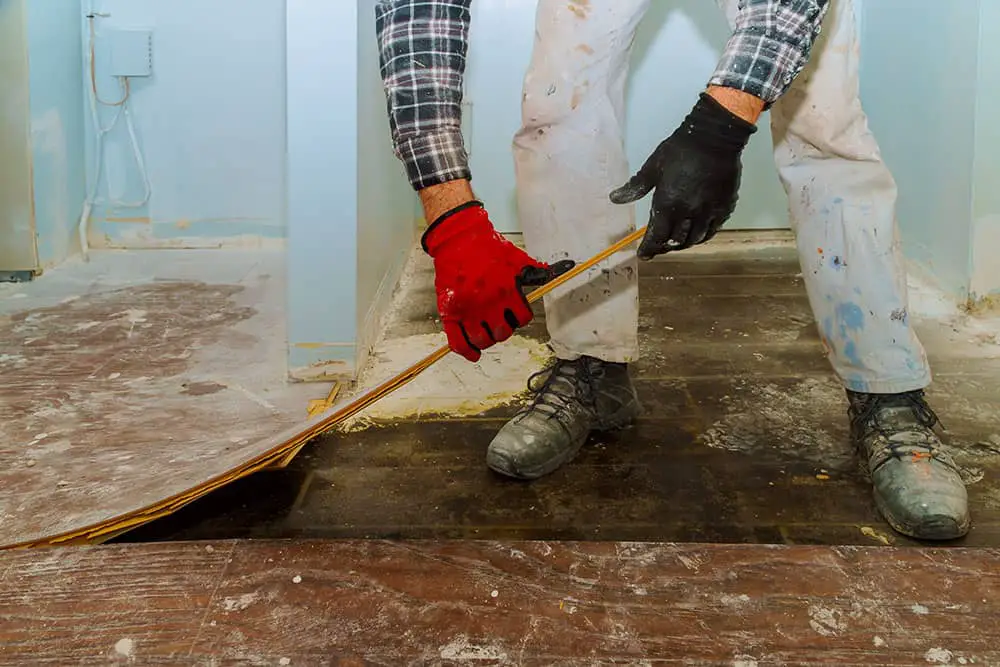
If you are replacing existing flooring, removal costs apply to both options. Carpet removal is typically cheaper because the material is lighter and easier to handle.
Laminate or hardboard underlayment removal takes longer and generates heavier waste. Expect to add £1 to £4 per square metre ($1 to $5 per sq ft) for old flooring removal and disposal, with carpet removal generally at the lower end.
Furniture Moving
Professional installers often charge extra for moving heavy furniture. This cost applies equally to both flooring types. Agree in advance on what is included in the quote and what incurs additional charges.
Transition Strips and Finishing Details
Both carpet and laminate require finishing details where they meet other flooring types or at doorways. Laminate typically requires more transition strips because its rigid, hard surface must terminate cleanly at all boundaries. These are a minor cost individually but add up in homes with multiple rooms and doorways.
Related Topic:
Total Cost of Ownership: The Calculation That Changes the Answer
Most cost comparisons look only at the upfront price. The more useful calculation is cost per year of use, which accounts for how long each floor lasts and how much it costs to maintain.
| Factor | Carpet (Mid Quality) | Laminate (Mid Quality) |
| Typical lifespan | 8-12 years | 15-25 years |
| Total installed cost (25 m²) | £600-£1,100 | £750-£1,400 |
| Annual maintenance cost | £50-£120 (cleaning) | £10-£30 (cleaning) |
| Replacements over 20 years | 1-2 replacements | 0-1 replacements |
| Approx. 20-year total spend | £1,500-£3,500 | £800-£1,600 |
| Cost per year of use | Higher | Lower |
Over a 20-year period in a typical room, mid-quality laminate consistently delivers a lower total spend than mid-quality carpet, primarily because it outlasts carpet by 10 or more years and requires significantly less maintenance. Budget carpet replaced twice over 20 years costs substantially more in total than laminate installed once.
Ongoing Maintenance Costs
Carpet Maintenance
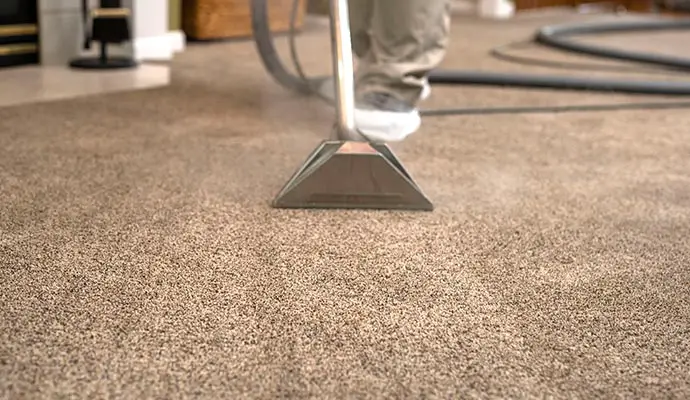
Carpet requires more frequent and more costly maintenance than laminate. Regular vacuuming is essential to prevent grit from working into the pile and causing premature wear. Professional steam cleaning every 12 to 18 months is recommended to maintain appearance and hygiene.
Depending on household traffic and pets, this cleaning can cost £50 to £150 per session for a typical room. Stains that resist home treatment require specialist cleaning or patch replacement. Over the lifespan of a carpet, these ongoing costs add meaningfully to its total price.
Laminate Maintenance
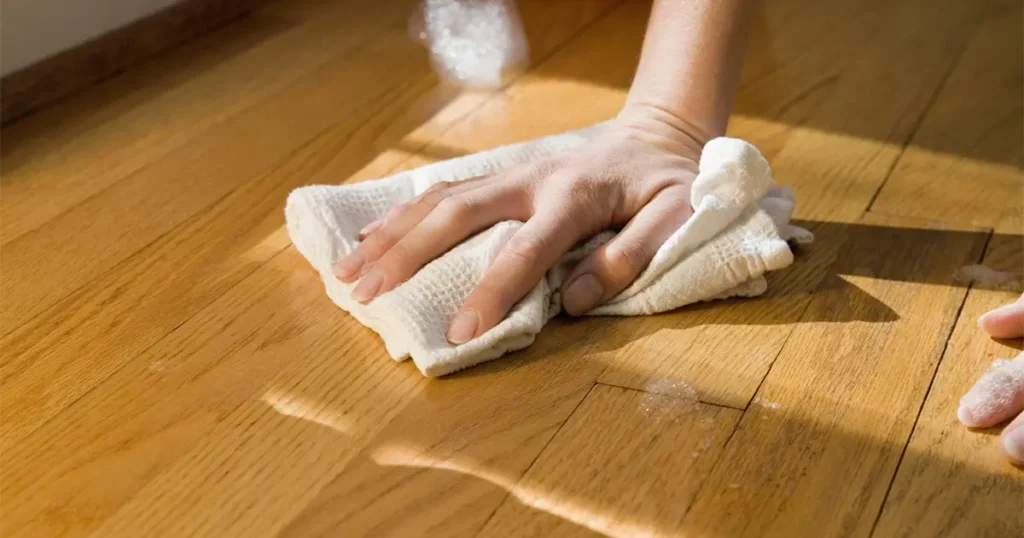
Laminate is significantly cheaper to maintain. Regular sweeping or vacuuming on the hard floor setting and occasional damp mopping with a pH-neutral cleaner is all that is required.
There is no need for professional cleaning services. The hard, sealed surface resists staining, and spills clean up easily with a cloth. The main maintenance concern is preventing moisture from sitting in the joints, and avoiding heavy scratching from furniture or grit.
DIY Installation: Where You Can Save Most
One of the most significant cost variables for both options is whether you install professionally or yourself.
Laminate DIY potential:
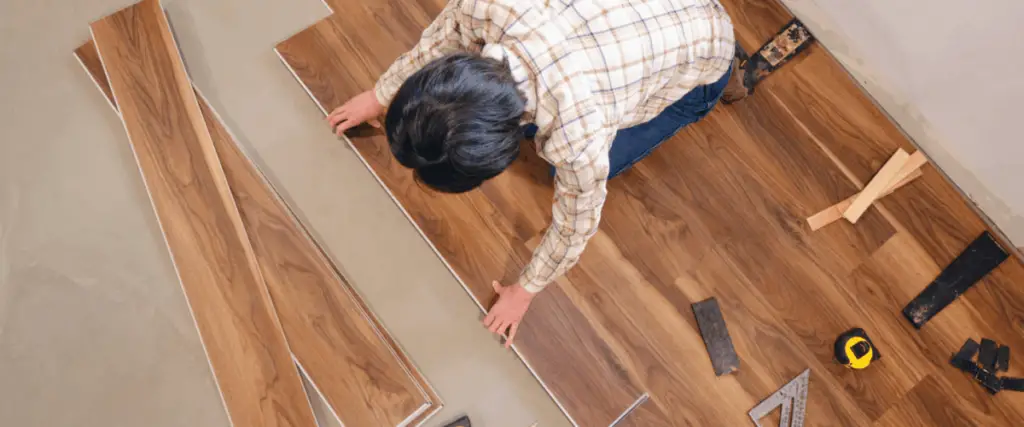
Laminate is one of the most DIY-friendly flooring products available. Modern click-lock laminate flooring requires no specialist tools, no adhesive, and no nailing. A competent DIY installer can complete a standard room in a day.
DIY installation saves the full labour cost, which typically represents 30 to 50 percent of the total professional installation price. For laminate, this makes DIY installation highly financially worthwhile.
Carpet DIY potential:
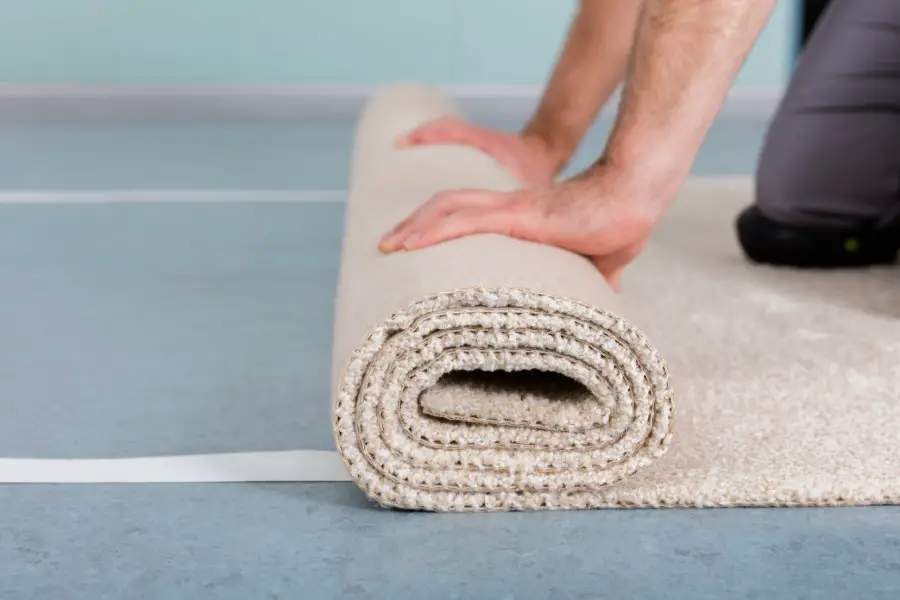
Carpet installation is more physically demanding and less accessible as a DIY project. It requires a knee kicker and carpet stretcher (which can be hired but add cost and effort), and achieving a professional finish without experience is difficult.
Poorly stretched carpet will loosen, wrinkle, and wear unevenly. For most homeowners, professional carpet installation is the more practical choice, even if it costs more.
The DIY advantage for laminate is significant. A homeowner comfortable with basic DIY can install laminate in a 20 to 25 square metre room for close to the cost of materials only, making laminate genuinely competitive with carpet on a total budget basis when DIY installation is factored in.
Related Topic:
Room-by-Room Cost and Suitability Guide
Bedroom
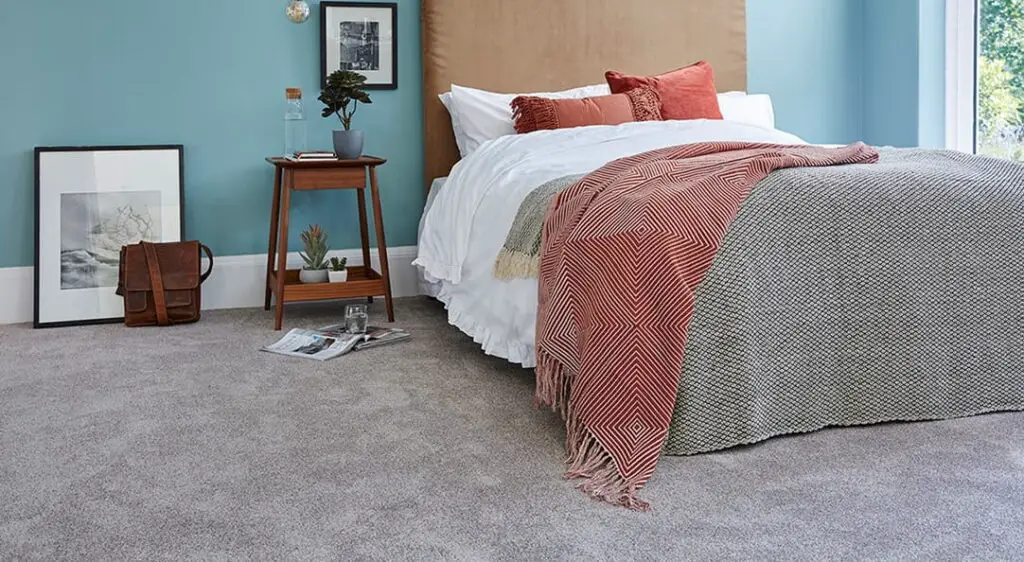
Carpet wins on both cost and suitability for bedrooms. It is warmer underfoot, softer, quieter, and more comfortable in a space designed for rest.
The lower traffic in most bedrooms also reduces the lifespan gap between carpet and laminate. Budget to mid-quality carpet in a bedroom is a cost-effective, durable, and sensible choice.
Living Room
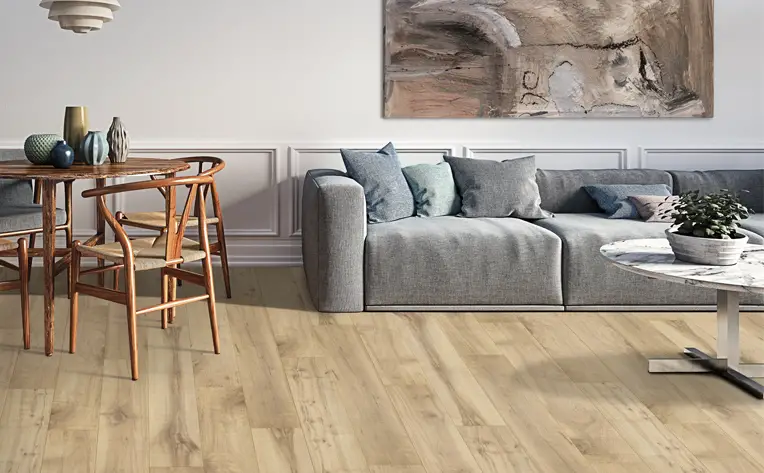
This is where the choice becomes more context-dependent. High-traffic living rooms with children and pets place significant wear on carpet, shortening its lifespan and increasing cleaning frequency. In these situations, laminate offers a lower total cost despite higher upfront investment.
In lower-traffic living rooms, carpet remains the more affordable upfront option and provides a warmer, more comfortable atmosphere.
Hallway and Stairs
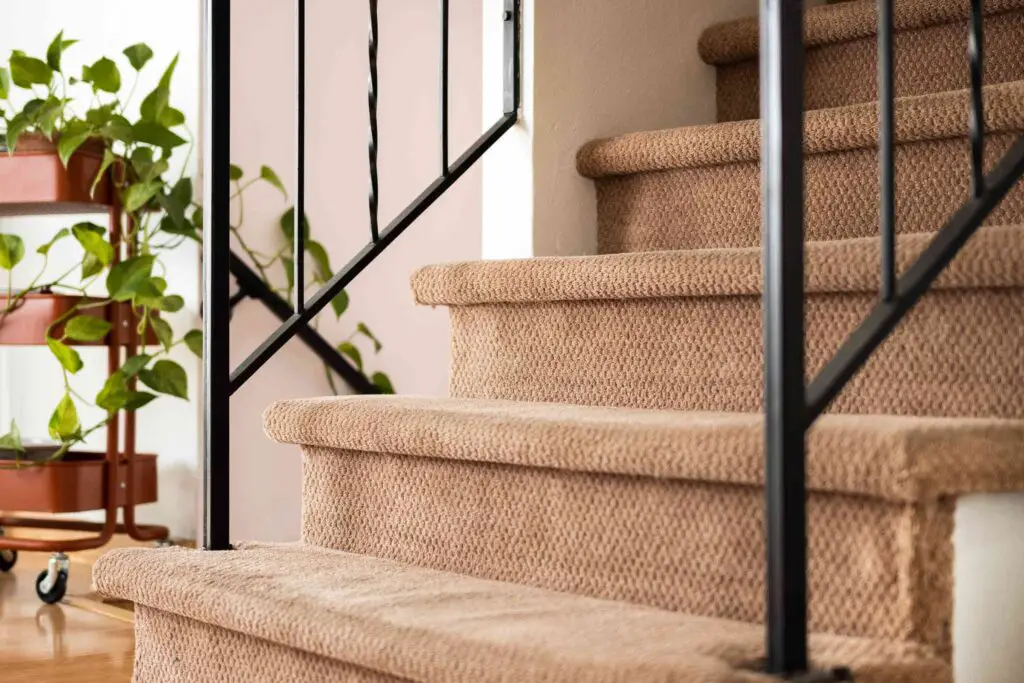
Hallways and stairs are the highest-traffic areas in any home. Carpet in these locations typically needs replacing every 5 to 8 years under normal use, compared to 15 or more years for quality laminate. The long-term cost of repeatedly replacing worn hallway carpet usually exceeds the cost of installing laminate once.
Laminate also raises safety considerations on stairs, where its hard, smooth surface can be slippery without appropriate anti-slip finishing.
Kitchen and Bathroom
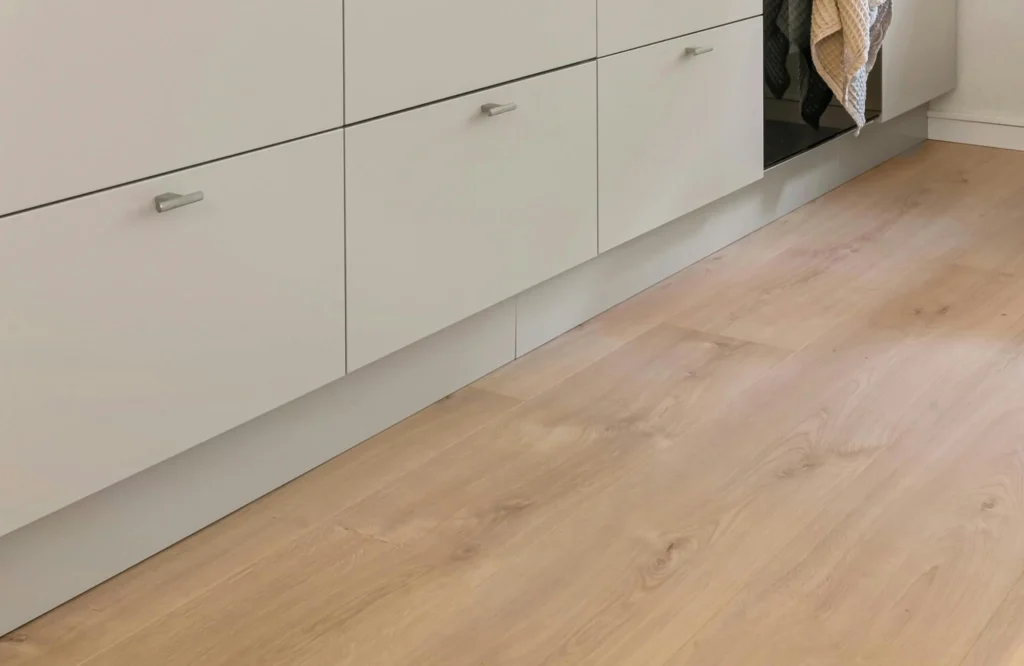
Neither carpet nor standard laminate is ideal for kitchens and bathrooms. Carpet is entirely unsuitable in wet areas due to moisture damage, mould risk, and hygiene concerns.
Standard laminate is vulnerable to water penetration at the joints and should not be used in high-moisture environments. For these rooms, waterproof LVP (luxury vinyl plank) is the better choice over both options.
Home Office
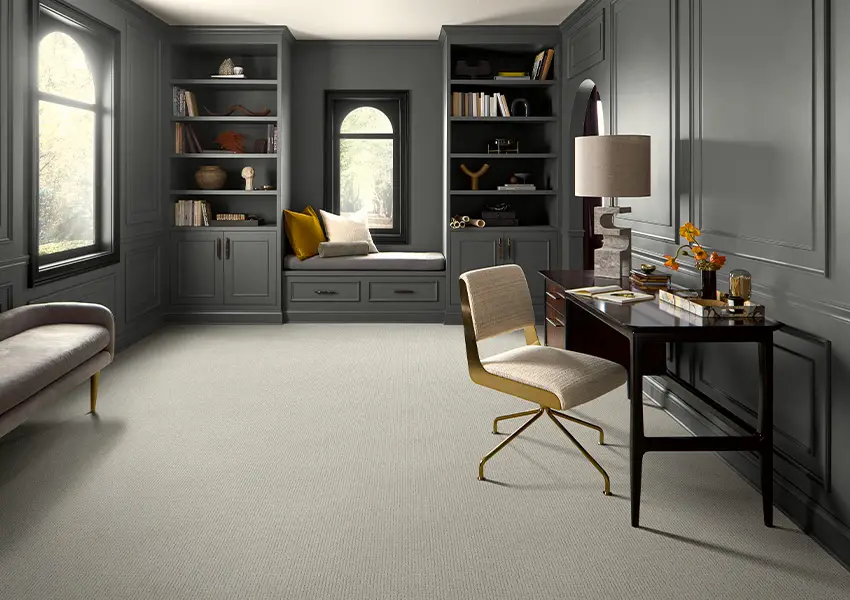
Laminate is typically the better value choice for home offices, particularly where an office chair is in regular use. Office chair wheels damage carpet pile rapidly, requiring replacement far sooner than in a static room. Hard flooring paired with a chair mat protects the surface and extends its lifespan considerably.
Related Topics:
Impact on Home Resale Value
Laminate flooring generally has a more positive impact on home resale value than carpet. Buyers in most markets view hard flooring positively, and high-quality laminate in good condition can be a selling point. Carpet, particularly if worn, stained, or dated in colour, is frequently a negative in buyer perceptions and can reduce offers or require replacement before sale.
This consideration is most relevant for homeowners who plan to sell within 5 to 10 years. The investment in laminate may return part or all of its cost premium at resale, effectively making it cheaper on a net basis than carpet that requires replacement before selling.
Which Is Cheaper: The Verdict by Scenario
| Your Situation | Cheaper Option | Reason |
| Lowest upfront cost | Carpet | Lower material and install price |
| Lowest 10-20 year total spend | Laminate | Longer lifespan, lower maintenance |
| DIY installation | Laminate | Click-lock system is highly DIY-friendly |
| Bedroom installation | Carpet | Lower cost, longer bedroom lifespan |
| High-traffic hallway | Laminate | Carpet wears too fast in traffic |
| Selling home within 5 years | Laminate | Better buyer appeal, may recoup at sale |
| Renting out property | Carpet | Lower upfront, acceptable lifespan for rentals |
| Household with pets | Laminate | Easier to clean, resists odour retention |
| Short-term or rental home | Carpet | Lowest immediate spend, acceptable lifespan |
FAQs
Is carpet or laminate cheaper to install?
Carpet is typically cheaper to install professionally, costing around 15 to 25 percent less per square metre than laminate at comparable quality levels. However, laminate is significantly more accessible as a DIY installation, which can close or reverse this gap for homeowners comfortable with basic DIY work.
Which lasts longer, carpet or laminate?
Laminate lasts considerably longer. Quality laminate flooring typically lasts 15 to 25 years with proper care. Mid-quality carpet in a typical household lasts 8 to 12 years before showing significant wear. Budget carpet in high-traffic areas may need replacing within 5 to 7 years.
Is laminate flooring cheaper than carpet in the long run?
Yes, in most scenarios. Although laminate costs more upfront, its longer lifespan, lower maintenance costs, and reduced replacement frequency make it cheaper over a 15 to 20 year period in most rooms. The exception is bedrooms, where carpet’s softer feel is preferred and its lifespan in low-traffic conditions is long enough to narrow the cost-per-year gap significantly.
Which is better for resale value, carpet or laminate?
Laminate generally adds more value at resale than carpet. Hard flooring is viewed favourably by buyers in most markets, while worn or dated carpet is often seen as a cost to the buyer rather than an asset. New carpet installed immediately before a sale can be viewed neutrally, but it rarely adds value equivalent to its cost.
Final Verdict
Carpet is cheaper today. Laminate is cheaper over time. The right answer depends on your priority: if you need the lowest possible upfront spend, carpet delivers it. If you are thinking about total value over the years you will live in your home, laminate consistently delivers a lower cost per year of use alongside lower maintenance demands.
For bedrooms, the case for carpet remains strong on both cost and comfort grounds. For hallways, living rooms with pets or children, and anywhere resale value matters, laminate is the smarter financial choice despite its higher starting price. And if you are willing to install it yourself, laminate becomes competitive with carpet from the very first day.
1 thought on “What Is Cheaper: Carpet or Laminate Flooring? Cost Comparison Guide”