
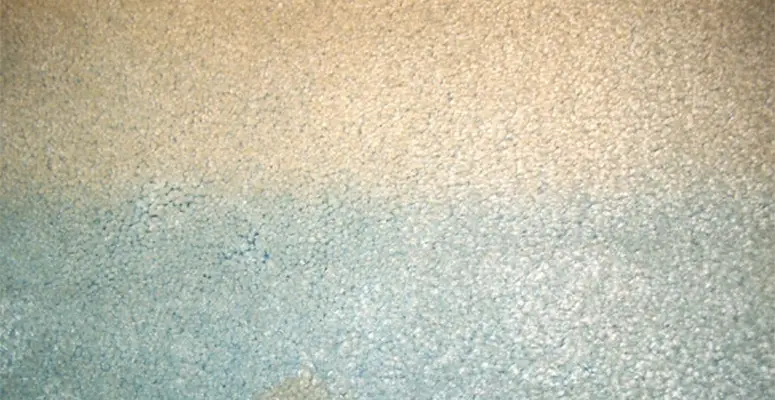
Carpets can dramatically transform the look and feel of a room. From adding warmth and comfort to enhancing your interior design, a beautiful carpet is a valuable investment. However, over time, carpets can lose their original vibrancy due to color fading, leaving them looking dull and worn.
Whether it’s due to sunlight exposure, foot traffic, or improper cleaning methods, carpet color fading is a common issue for homeowners and businesses alike.
The good news is that with the right carpet color fading prevention techniques, you can maintain your carpet’s brightness and extend its lifespan.
In this comprehensive guide, we’ll explore the causes of carpet color fading, the best strategies to prevent it, and practical tips for maintaining your carpet’s appearance year-round.
What Causes Carpet Color Fading?
Carpet color fading is a gradual process that results in the loss of the carpet’s original hue. Several factors contribute to this phenomenon:
Sunlight Exposure: Ultraviolet (UV) rays can break down dyes in carpet fibers, leading to fading, especially in areas near windows or glass doors.
Heavy Foot Traffic: Continuous walking, dragging furniture, and other forms of friction wear down the fibers and reduce their color intensity.
Improper Cleaning: Harsh chemicals, bleach, or overly aggressive scrubbing can strip dyes from carpet fibers.
Aging and Wear: Natural fiber carpets, such as wool, tend to fade over time as fibers break down.
Moisture and Humidity: Excessive dampness can encourage mold growth and affect dyes, while prolonged exposure to water may cause color bleeding.
Understanding these causes is the first step in preventing carpet color fading effectively.
Types of Carpets and Susceptibility to Fading
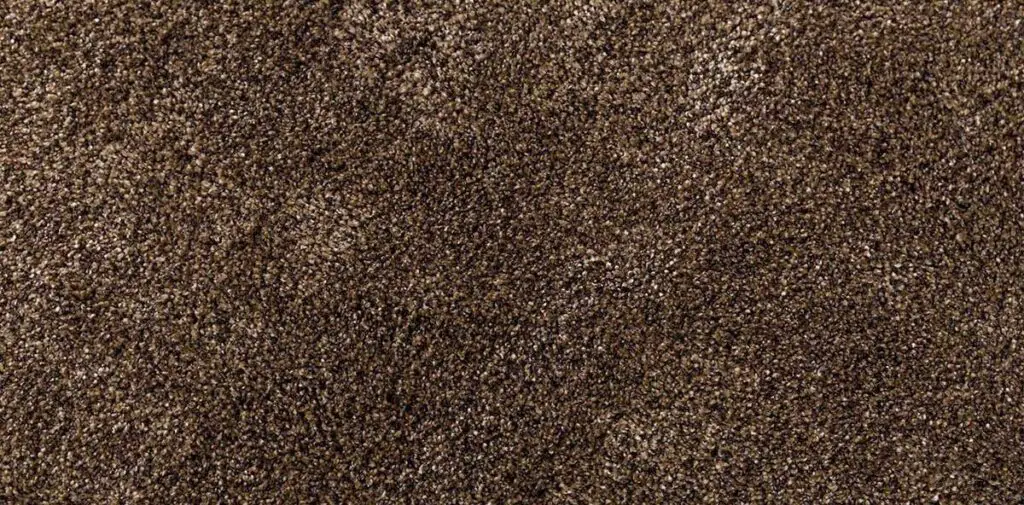
Not all carpets fade at the same rate. The material and type of dye used play significant roles:
Wool Carpets: Naturally luxurious and soft, wool carpets are prone to fading under UV exposure but can resist some wear if properly maintained.
Nylon Carpets: Durable and colorfast, nylon carpets are highly resistant to fading but still require protection from sunlight.
Polyester Carpets: Affordable and vibrant, polyester tends to fade faster than nylon, especially under direct sunlight.
Olefin (Polypropylene) Carpets: Often used in outdoor spaces, these are moisture and stain-resistant but can fade in bright sun over time.
Knowing your carpet type helps you apply the most suitable carpet color fading prevention strategies.
How to Prevent Carpet Color Fading
Protect Your Carpet from Sunlight
Use Window Treatments
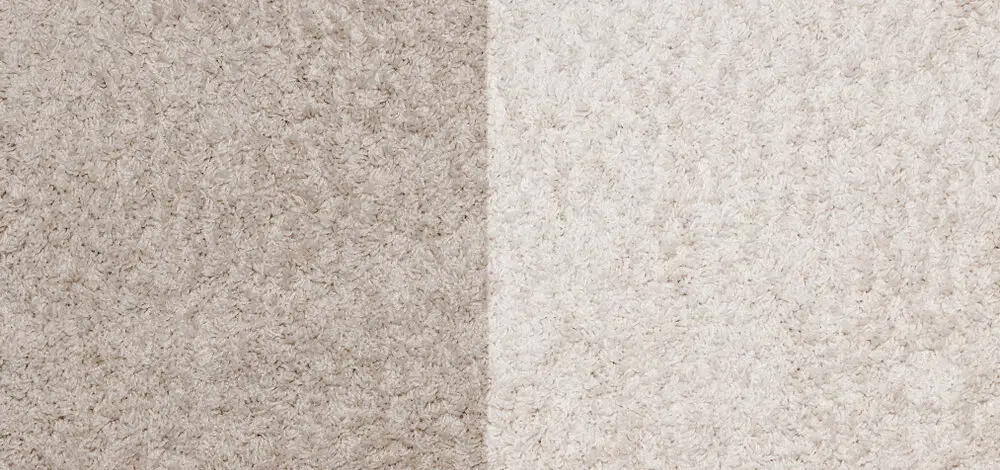
Direct sunlight is one of the main culprits behind carpet color fading. Installing window treatments such as blinds, curtains, or UV-filtering films can significantly reduce exposure. For rooms with large windows, consider layering window coverings for added protection.
Rearrange Furniture Strategically
Furniture can act as a shield against sunlight. Placing carpets away from windows or rotating furniture periodically helps ensure even exposure and prevents certain areas from fading faster than others.
Apply UV Protection
Specialized UV-protective sprays and coatings are available for carpets. These products help block harmful UV rays from penetrating carpet fibers and preserve color intensity over time.
Related Topics:
Regular Cleaning and Maintenance
Vacuuming Properly
Regular vacuuming removes dirt and grit that can dull carpet colors. Use a vacuum cleaner with adjustable height settings to avoid excessive friction, which can wear down fibers and accelerate fading.
Professional Deep Cleaning
While regular cleaning is essential, professional carpet cleaning every 12–18 months helps maintain color vibrancy. Professionals use safe, color-preserving detergents and techniques that minimize damage to fibers.
Spot Cleaning Techniques
Promptly address spills and stains using gentle, carpet-safe cleaners. Avoid bleach or harsh chemicals that can strip color. Blot the area with a clean cloth instead of scrubbing aggressively.
Rotate Your Carpet Periodically
Rotating your carpet every six months ensures that areas exposed to sunlight and heavy traffic are balanced. This simple habit reduces uneven fading and extends the overall life of your carpet.
Use Rugs and Carpet Protectors
Area Rugs
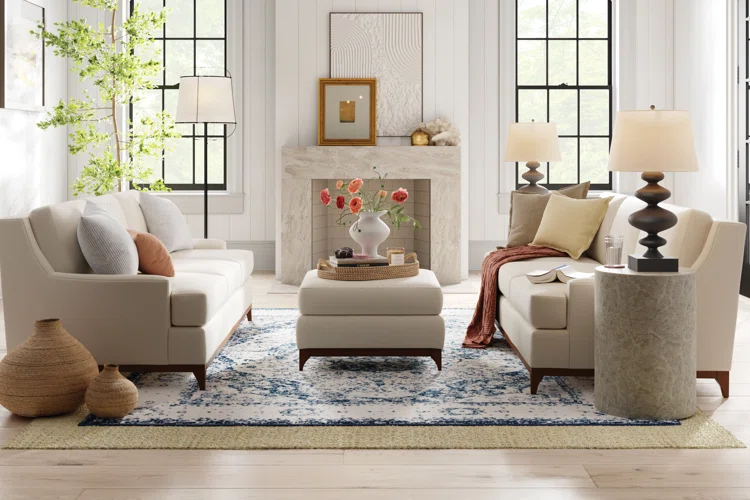
High-traffic zones, such as hallways and living rooms, benefit from area rugs or runners. These protective layers reduce direct wear and minimize color fading.
Carpet Pads
Underlayments like carpet pads can absorb friction from foot traffic, protecting the fibers and dyes beneath. This is especially effective for delicate or natural fiber carpets.
Control Indoor Environment
Humidity Levels
Maintaining indoor humidity between 40–60% prevents excessive moisture, which can damage fibers and affect dyes. Use a dehumidifier in damp climates to control moisture.
Temperature Control
Extreme heat can accelerate fading. Keep rooms at a moderate temperature to protect carpet fibers and prevent color degradation over time.
Avoid Harsh Chemicals
Choose Gentle Cleaning Solutions
When cleaning carpets, opt for pH-neutral cleaners designed specifically for carpets. Avoid ammonia, bleach, or overly acidic products that can erode dyes.
Test Products First
Before applying any new cleaning solution, test it on a small, inconspicuous area. This ensures that the cleaner won’t cause discoloration or fading.
Related Topics: Is SmartStrand Carpet Better Than Nylon?Comparison Guide for Homeowners
Advanced Carpet Color Fading Prevention Techniques
Carpet Dye Refreshing
Over time, carpets may require a color boost. Professional carpet dyeing or using at-home carpet dyes can restore faded hues. This process is especially useful for older carpets or high-value pieces.
Anti-Fading Carpet Treatments
Certain treatments penetrate fibers to lock in color and prevent fading. Look for products labeled “UV-resistant” or “color protection treatment”. These treatments work best when applied immediately after cleaning.
Protective Coatings
Some high-end carpets benefit from protective coatings, which form a barrier against sunlight, spills, and dirt. While these coatings may slightly alter the texture of the carpet, they significantly prolong color vibrancy.
Carpet Color Fading Prevention for Specific Scenarios
High Sunlight Areas
For rooms with large windows or glass doors, consider the following:
- Install UV-blocking window film.
- Use light-reflective curtains to reduce UV penetration.
- Rotate rugs and carpets to distribute sunlight exposure evenly.
Commercial Spaces
High foot traffic areas such as offices and retail stores require extra precautions:
- Use durable, colorfast commercial carpets.
- Apply protective coatings or UV treatments.
- Employ a regular professional cleaning schedule with color-safe products.
Homes with Pets and Children
Pets and kids can accelerate wear and fading due to spills and friction:
- Place rug runners in hallways and play areas.
- Use stain-resistant carpet treatments.
- Clean spills immediately with gentle, carpet-safe cleaners.
Long-Term Maintenance Tips
Schedule Regular Inspections
Check your carpets periodically for fading, wear, or discoloration. Early detection allows you to take corrective action before damage becomes irreversible.
Rotate and Rearrange Furniture
As previously mentioned, moving furniture every 6–12 months helps maintain even color and prevents permanent shading patterns on the carpet.
Maintain Proper Foot Traffic Habits
Encourage family members or office staff to remove shoes indoors. Implement designated walking paths to reduce friction on high-traffic areas.
Professional Maintenance Plans
Consider signing up for a professional carpet maintenance plan. Many companies offer ongoing services, including cleaning, dye touch-ups, and protective treatments, keeping carpets vibrant and fresh for years.
Common Mistakes That Accelerate Carpet Fading
Using Harsh Cleaning Chemicals
Harsh products can strip the color from fibers, leaving your carpet looking dull even after cleaning. Always choose pH-neutral, color-safe cleaning agents.
Ignoring Sunlight Exposure
Even brief periods of direct sunlight can gradually fade carpet dyes. Don’t underestimate the impact of windows, skylights, and glass doors.
Skipping Professional Cleaning
DIY cleaning is helpful, but professional services can handle deep dirt, stains, and uneven fading more effectively, preventing long-term color loss.
Failing to Rotate Furniture
Stationary furniture can create uneven fading and indentations. Regular rotation is essential for maintaining uniform color and texture.
Carpet Color Fading Prevention by Carpet Type
Wool Carpets
Preventive Measures: Use UV-protective window coverings, avoid harsh cleaning chemicals, vacuum with gentle suction.
Additional Tips: Rotate carpets regularly and consider professional wool-safe cleaning for long-term vibrancy.
Nylon Carpets
Preventive Measures: Highly durable; use carpet pads and area rugs in high-traffic zones.
Additional Tips: Apply UV-blocking treatments if exposed to sunlight, and vacuum frequently to remove grit.
Polyester Carpets
Preventive Measures: Protect from direct sunlight and use color-safe cleaners.
Additional Tips: Refresh color with professional dyeing if fading occurs, especially in bright-colored carpets.
Olefin Carpets
Preventive Measures: Use in low-sunlight areas or outdoors with shaded protection.
Additional Tips: Apply UV-protective sprays to maintain color in outdoor or sunny indoor spaces.
DIY Carpet Color Fading Prevention Hacks
Use White Curtains During Peak Sun Hours
Switching to lighter curtains during midday hours reduces direct sunlight exposure without sacrificing natural light.
Rearrange Rugs Periodically
Even small rugs can protect carpet areas from fading. Rotate them monthly to distribute wear and sunlight exposure evenly.
Natural Cleaning Solutions
For minor stains, a mixture of vinegar and water can clean without stripping color. Always blot gently, avoiding scrubbing that damages fibers.
Add Indoor Plants Strategically
Certain indoor plants can naturally filter sunlight and reduce UV intensity in rooms with large windows, indirectly protecting your carpet’s color.
Carpet Color Fading Prevention for Outdoor Carpets
Outdoor carpets face additional challenges due to sun, rain, and pollution. To protect them:
- Use UV-resistant outdoor carpets.
- Move rugs or mats to shaded areas when possible.
- Clean regularly with mild soap and water, avoiding bleach.
- Consider weatherproof protective coatings.
Signs Your Carpet is Fading
Knowing when your carpet is starting to fade helps you take timely action:
- Dullness in high-traffic areas compared to less-used spots.
- Uneven coloring or patchy appearance.
- Fiber brittleness or stiffness.
- Fading near windows or sun-exposed areas.
Addressing these signs early can prevent permanent damage and maintain the carpet’s original vibrancy.
Conclusion
Maintaining the vibrancy of your carpets doesn’t have to be a challenge. With carpet color fading prevention techniques like controlling sunlight exposure, using color-safe cleaning methods, rotating furniture, and employing professional maintenance, you can preserve your carpets’ beauty for years to come.
Investing in the right preventive measures not only enhances your home’s aesthetic appeal but also extends the life of your flooring.
Remember: prevention is always more effective than restoration. Start protecting your carpets today, and enjoy their rich colors for decades.
FAQs
1. How can I prevent carpet fading in sunny rooms?
To prevent fading, install UV-blocking window films or curtains, rotate rugs regularly, and apply UV-protective treatments. Position furniture strategically to shield carpets from direct sunlight, and avoid leaving high-traffic areas exposed during peak sunlight hours.
2. Are certain carpet materials more resistant to fading?
Yes, nylon carpets are highly durable and colorfast, while wool carpets are luxurious but prone to fading if exposed to sunlight. Polyester and olefin carpets may fade faster, so applying UV protection and careful maintenance is essential.
3. Can professional cleaning help prevent color fading?
Absolutely. Professional cleaning uses color-safe products and techniques that remove dirt without stripping dyes. Regular professional maintenance also includes treatments that preserve fiber integrity and color vibrancy.
4. Is carpet color restoration possible after fading?
Yes, carpet dyeing or color-refresh treatments can restore faded areas. Professional services can match the original color and treat the carpet fibers to prevent future fading, especially for high-value or heavily used carpets.
1 thought on “Carpet Color Fading Prevention: How to Keep Your Carpets Vibrant for Years”