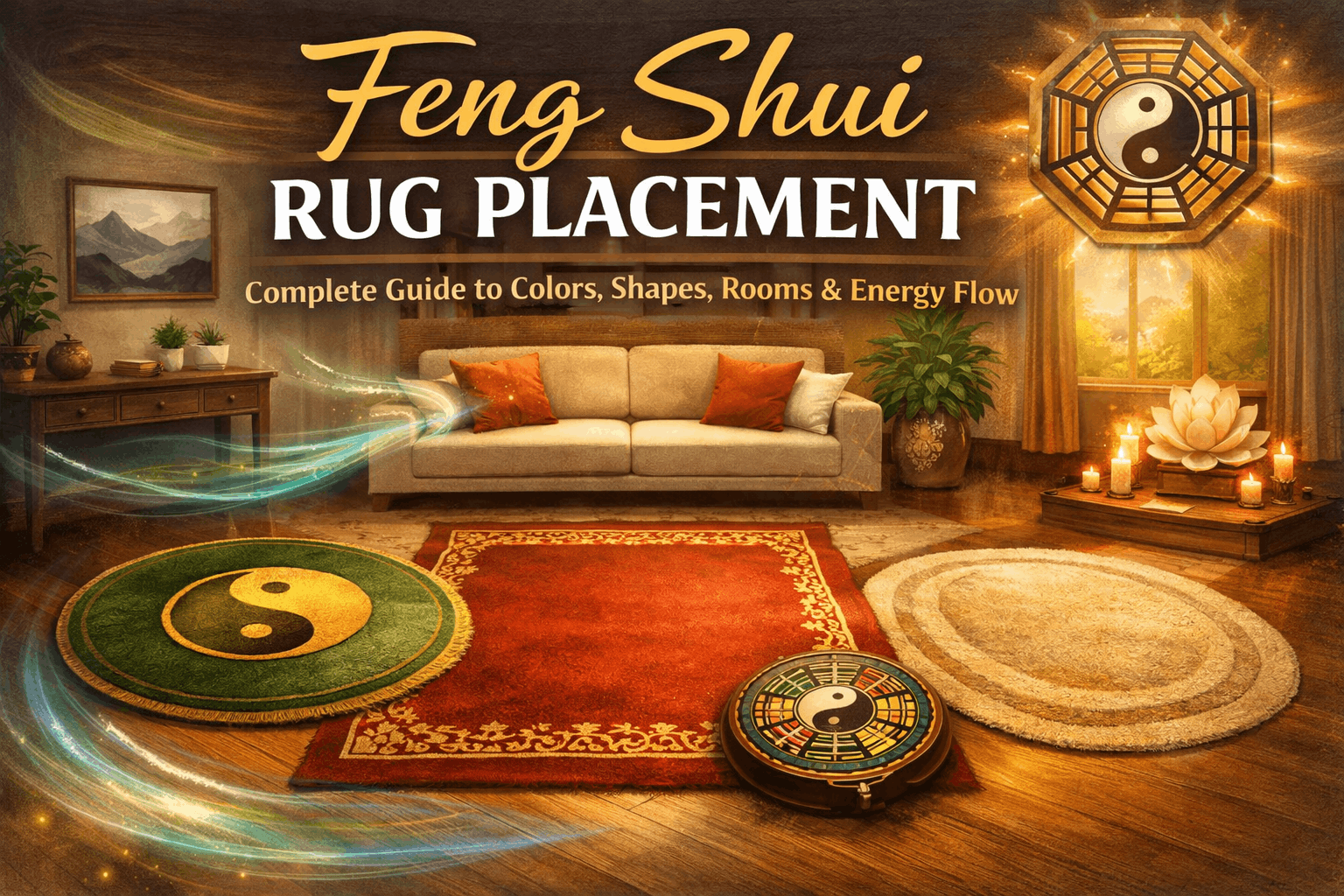
Rugs are among the most powerful and accessible tools in Feng Shui. They define energy zones, introduce color and texture, soften sharp corners, and literally ground the people who walk across them. Yet most guides reduce Feng Shui rug placement to vague tips about ‘calming colors’ or ‘placing a rug under the bed.’
This guide goes deeper covering the Bagua Map, the five elements, every key room, rug shapes, materials, patterns, and the most common mistakes people make.
The Bagua Map: Your Foundation for Rug Selection
The Bagua Map divides any space into nine zones, each linked to a specific area of life, a compass direction, an element, colors, and shapes. To use it, stand at your main entrance and align the map’s bottom row with that wall. The zone each area of your home falls into tells you what energy your rug should support there.
| Bagua Area | Life Theme | Direction | Element | Colors | Shapes |
| Kan | Career & Path | North | Water | Black, dark blue | Wavy, flowing |
| Zhen | Family & Health | East | Wood | Green, teal | Rectangular |
| Xun | Wealth | Southeast | Wood | Purple, green, gold | Rectangular |
| Tai Chi | Overall Wellness | Center | Earth | Yellow, earth tones | Square |
| Kun | Love & Relationships | Southwest | Earth | Pink, red, white | Square |
| Li | Fame & Reputation | South | Fire | Red, orange, pink | Triangle, star |
| Qian | Helpful People | Northwest | Metal | Gray, white, silver | Round, oval |
| Dui | Creativity & Joy | West | Metal | White, pastels, gold | Round, oval |
| Ken / Gen | Knowledge & Self | Northeast | Earth | Blue, green, yellow | Square |
The Five Elements and Your Rug
Every rug carries the energy of one or more of the five elements based on its color, shape, and material. Understanding this allows you to deliberately strengthen or balance the energy of any room.
- Wood (green, teal | rectangular): Growth, vitality, creativity. Ideal for living rooms, study spaces, and the family and wealth areas of the Bagua.
- Fire (red, orange, deep pink | pointed/irregular): Passion, recognition, social energy. Best in dining rooms and social spaces. Use sparingly in bedrooms.
- Earth (yellow, brown, beige | square): Stability, grounding, nourishment. Universally calming and balancing. Works well in nearly every room.
- Metal (white, gray, silver | round/oval): Clarity, focus, precision. Ideal for home offices and minimalist spaces. Supports clear thinking.
- Water (black, navy, deep blue | wavy/flowing): Flow, wisdom, career momentum. Powerful in entryways and home offices. Use carefully in bedrooms.
Rug Shapes and Colors: What They Mean
Shapes
- Rectangular: The most versatile shape. Wood and Earth energy — structure, stability, and grounding. Best for defining seating and dining arrangements.
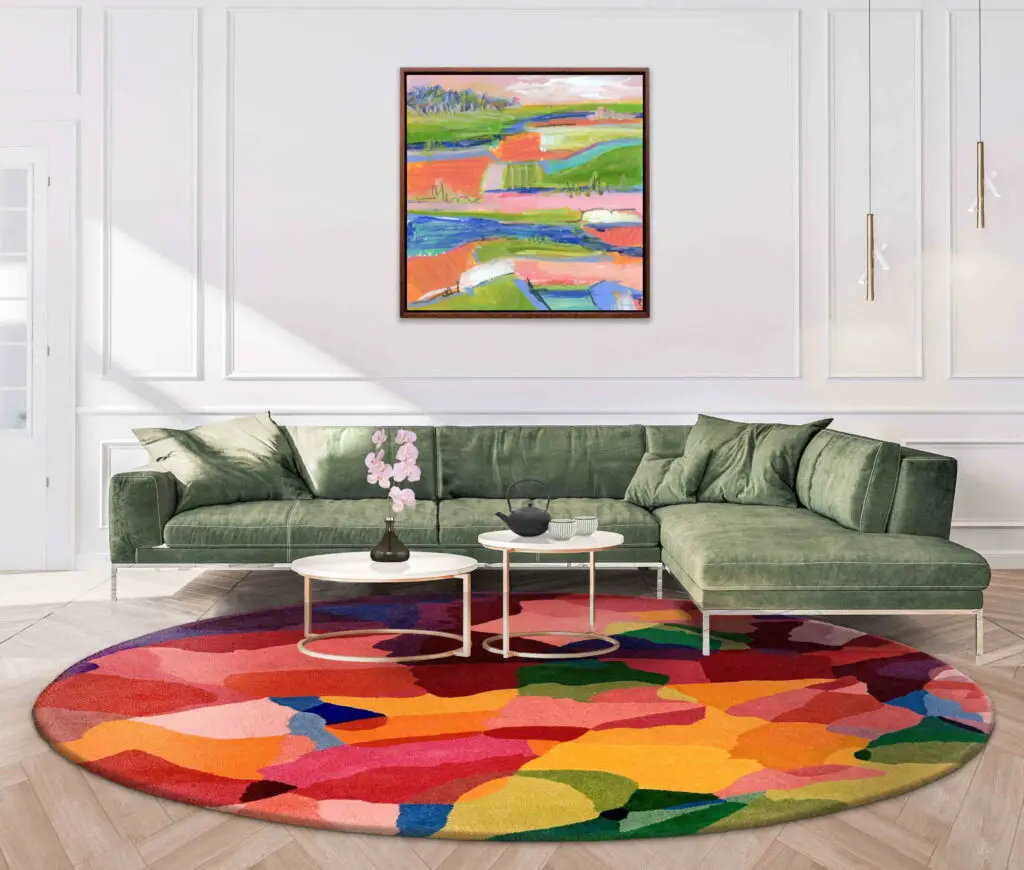
- Round or oval: Metal energy — completeness, unity, and continuous flow. Softens sharp corners and promotes harmonious conversation. Excellent in dining rooms, entryways, and bedrooms.
- Square: Strong Earth energy — balance, order, and groundedness. Ideal for meditation spaces and dining rooms with square tables.
- Irregular/asymmetric: Fire energy — dynamic and stimulating. Use in creative or social spaces only; avoid in bedrooms and restful areas.
Colors
- Red: The most auspicious color in Feng Shui. Fire energy — passion, vitality, protection. Excellent in entryways. Use sparingly in bedrooms.
- Green and teal: Wood energy — growth, healing, abundance. Universally balanced. Works in living rooms, bedrooms, and studies.
- Blue and navy: Water energy — calm, depth, career momentum. Light blue suits bedrooms; deep navy suits offices and north-facing entryways.
- Yellow and gold: Earth energy — warmth, joy, intellectual clarity. Ideal for living rooms, kitchens, and dining areas.
- White and gray: Metal energy — clarity and focus. Best in offices and minimalist spaces. Balance with natural materials nearby.
- Black: Concentrated Water energy — depth, power, introspection. Grounding in offices and entryways. Balance carefully in social rooms.
- Purple: Associated with the wealth area of the Bagua — abundance and spiritual growth. Powerful in southeast corners and meditation spaces.
Related Topics:
Room-by-Room Feng Shui Rug Placement Guide
Bedroom
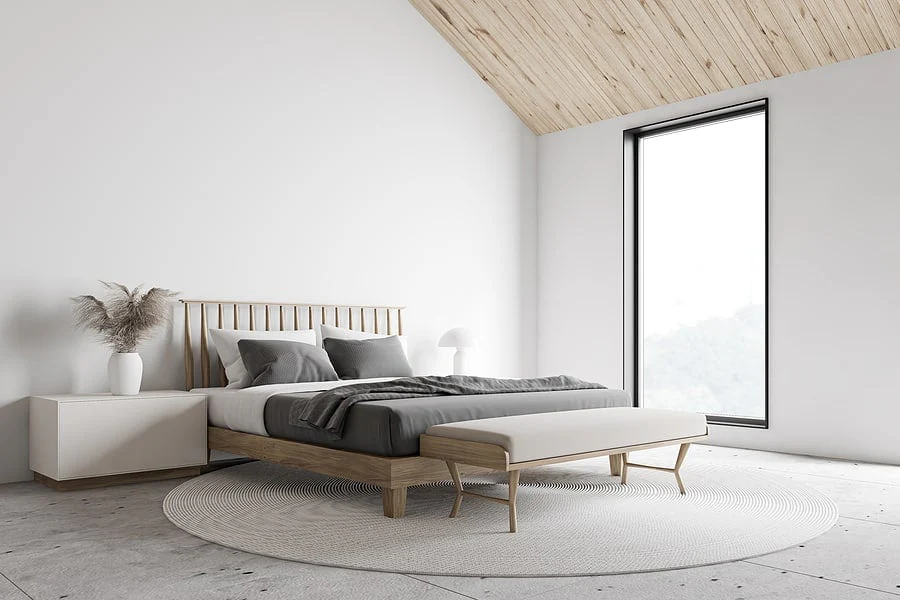
The bedroom is the most energetically important room you spend a third of your life here in a receptive state. The rug should extend beneath the bed with enough visible on both sides for your feet to land on when rising. This grounds and supports you the moment each day begins.
Keep the energy Yin soft textures, muted tones (earth colors, soft blues, blush pink), and low-contrast patterns. Avoid stimulating reds or heavy black rugs. For couples, ensure the rug is symmetrical on both sides of the bed asymmetry creates relational imbalance.
Living Room
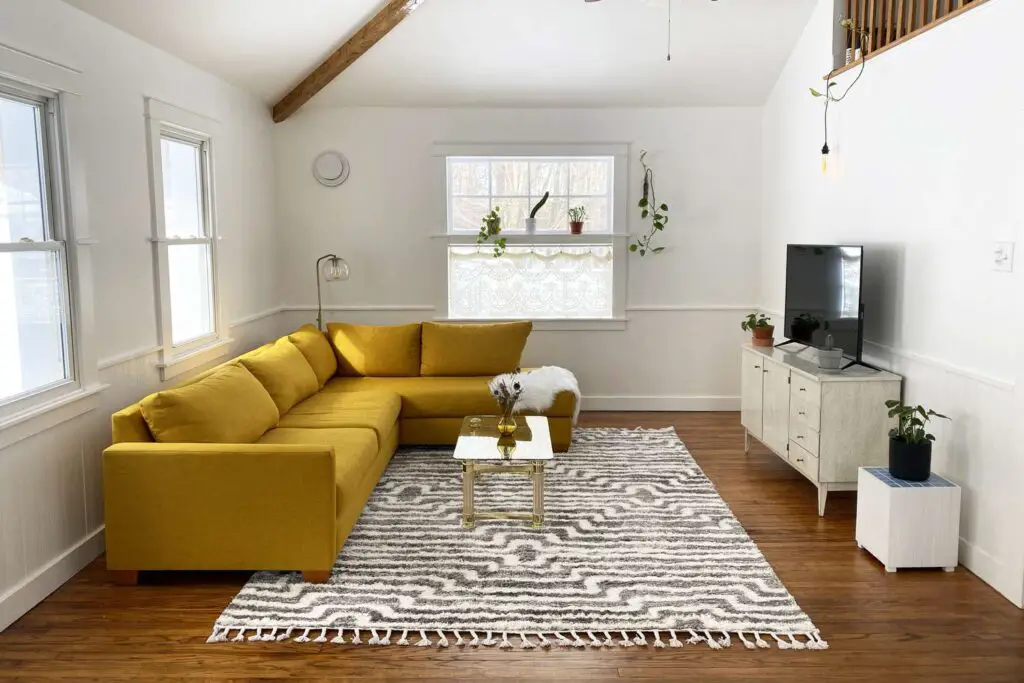
The living room is the primary Yang space active and social. Place the rug so that at least the front legs of all major seating pieces rest on it. This unifies the furniture group and prevents the scattered energy of furniture floating on bare floor.
A rug that is too small is the most common living room mistake always err generous with size. Earth tones, warm greens, and soft blues all work well. Ensure the main sofa sits in command position back to a solid wall with a view of the entrance and let the rug anchor that arrangement.
Dining Room
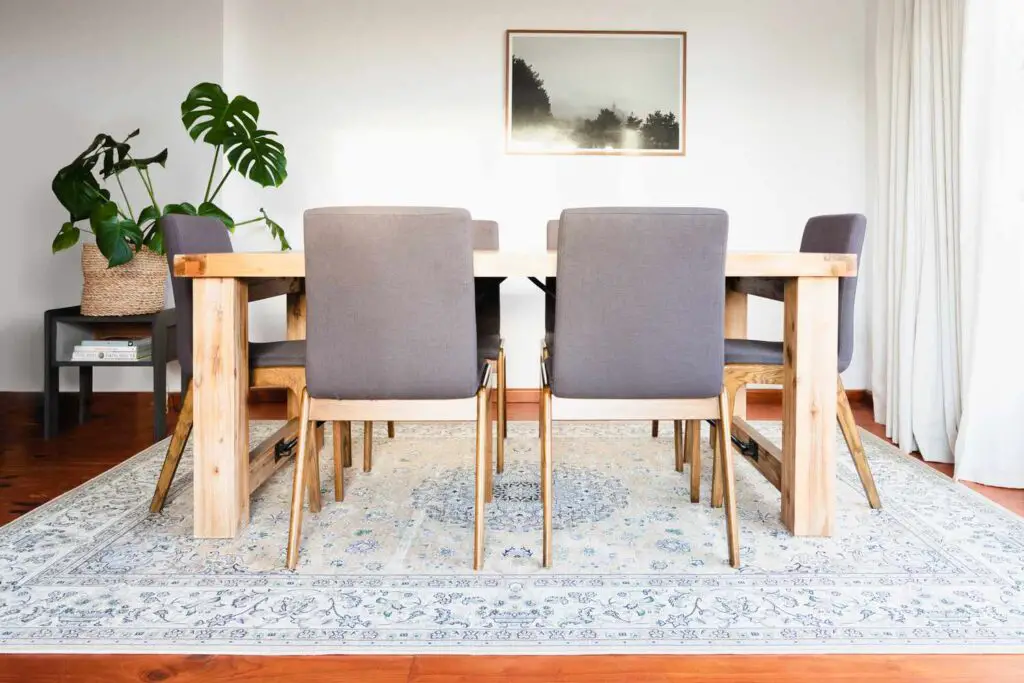
The dining room represents abundance and family nourishment. The rug must be large enough for all dining chairs to remain on it even when pulled out chairs sliding off the rug edge create energetic instability. Warm tones (gold, terracotta, deep red) stimulate appetite and conversation.
A round rug beneath a round table is a classic Feng Shui pairing, symbolizing the continuous cycle of abundance. Choose a patterned or darker tone that can handle inevitable spills without absorbing negative energy.
Entryway
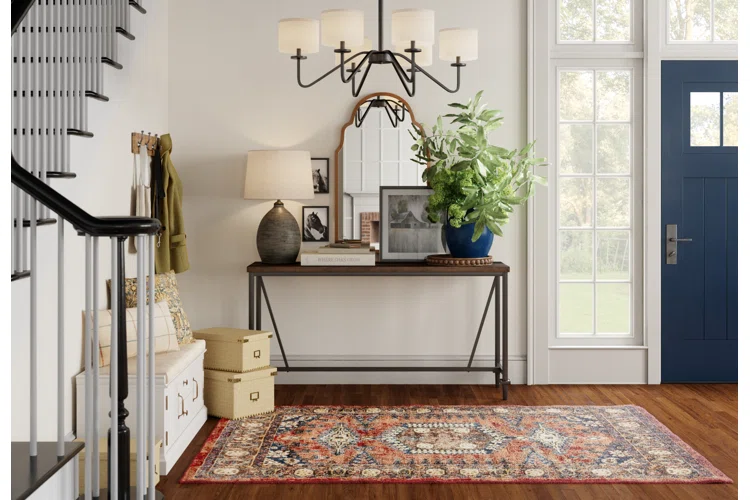
The entryway is the ‘mouth of chi’ where all energy enters the home. This is the most energetically significant rug in the house. Choose carefully, keep it immaculate, and replace it when worn. Red is the most auspicious choice, activating vitality and protection.
Earth tones create a stable, grounded welcome. Black or navy is powerful for north-facing entrances. A round or oval rug softens the transition from outdoors to indoors. Never have a dirty or fraying rug at the entrance it signals blocked energy to everyone and everything that enters.
Home Office
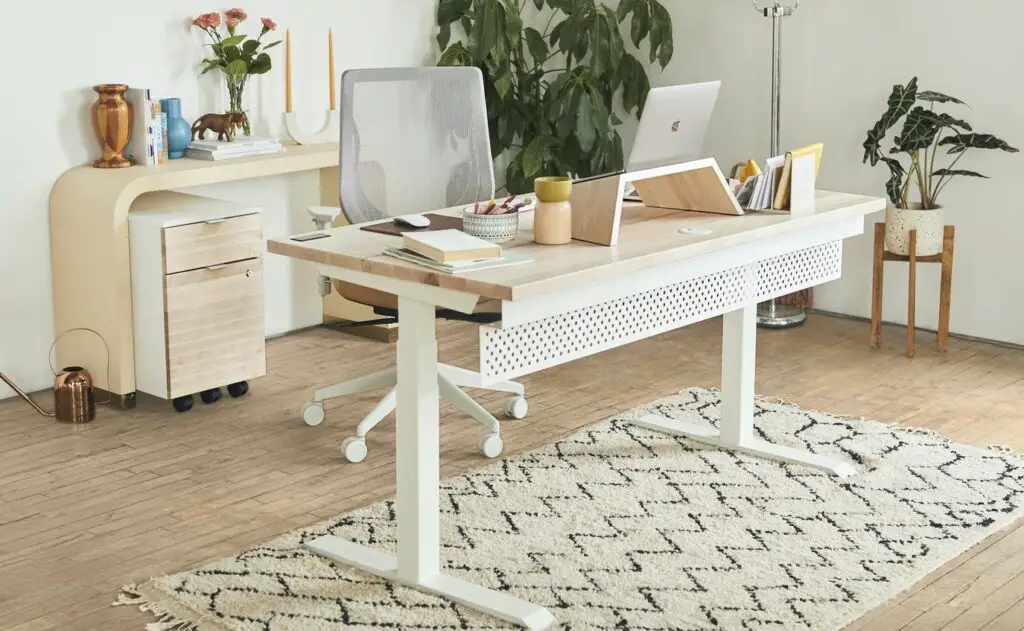
The office requires Metal and Water element energy clarity, flow, and forward movement. Blue rugs activate career momentum; gray and white support clear thinking. Position the desk in command position (facing the entrance, solid wall behind you) and let the rug anchor that layout.
A round rug beneath the desk chair creates a supportive container of focused energy around your workspace.
Kitchen and Bathroom
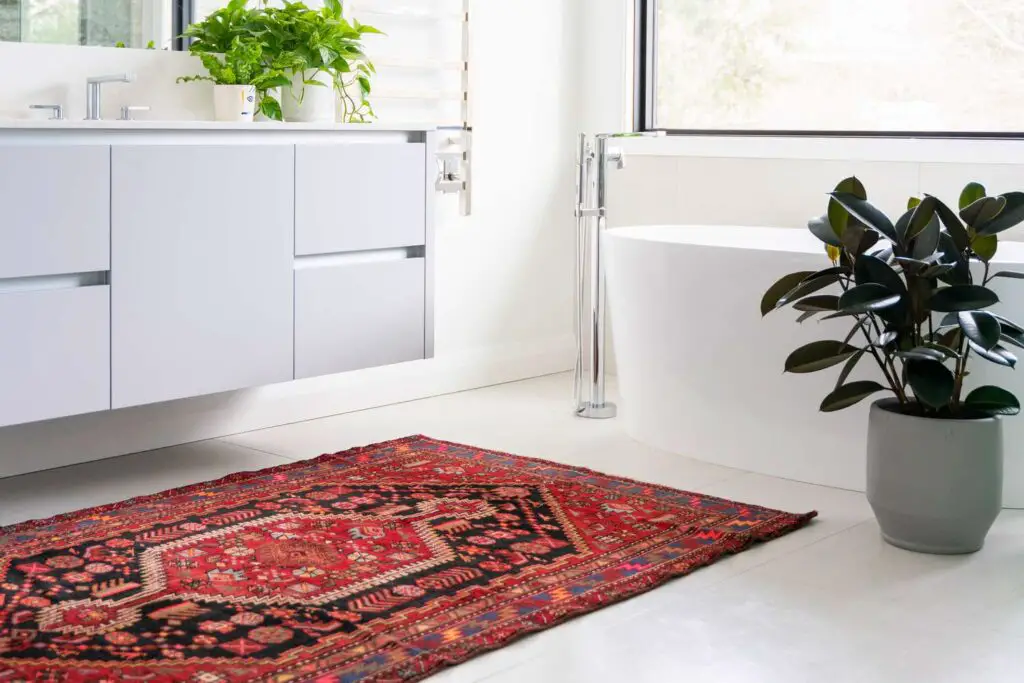
In the kitchen, place a rug wherever you stand most often at the stove or sink in warm earth tones that reinforce nourishment and vitality. Use washable, flat-weave rugs here for practical chi maintenance. In the bathroom, soft blues, sea greens, or natural beige introduce grounding warmth without amplifying the room’s already water-heavy energy.
Keep bathroom rugs scrupulously clean a damp or mildewed rug is one of the most energetically negative objects in any home.
Related Topics:
Rug Materials and Patterns
Materials
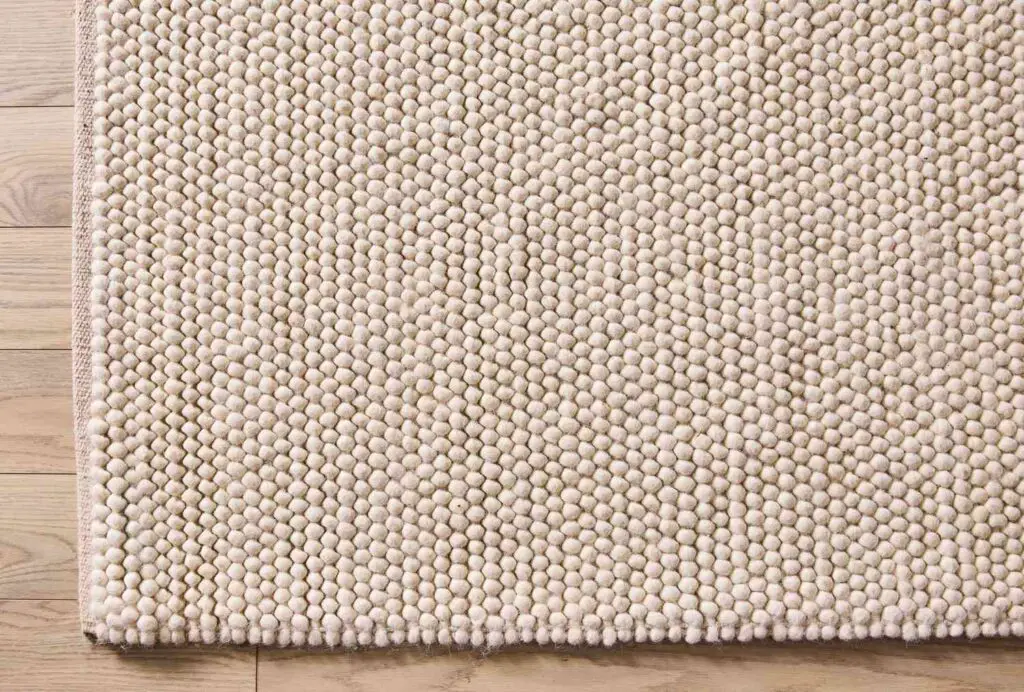
Natural fibers are universally preferred in Feng Shui because they carry living, organic energy that synthetic materials cannot replicate.
- Wool: The gold standard — warm, protective, durable, and naturally fire-resistant. Carries grounding Earth energy.
- Jute and sisal: Plant-based fibers with strong Earth element energy. Excellent for grounding any room while maintaining a connection to nature.
- Cotton: Light, clean, and gentle. Suits casual spaces and rooms where an approachable, soft atmosphere is desired.
- Silk: Refined Metal energy — elevated and rarefied. Best in formal living rooms, bedrooms, or meditation spaces.
- Synthetic (polypropylene, nylon): Durable and affordable, but energetically inert. If used for practical reasons, balance with natural materials elsewhere — plants, wood furniture, natural textiles.
Patterns and Motifs
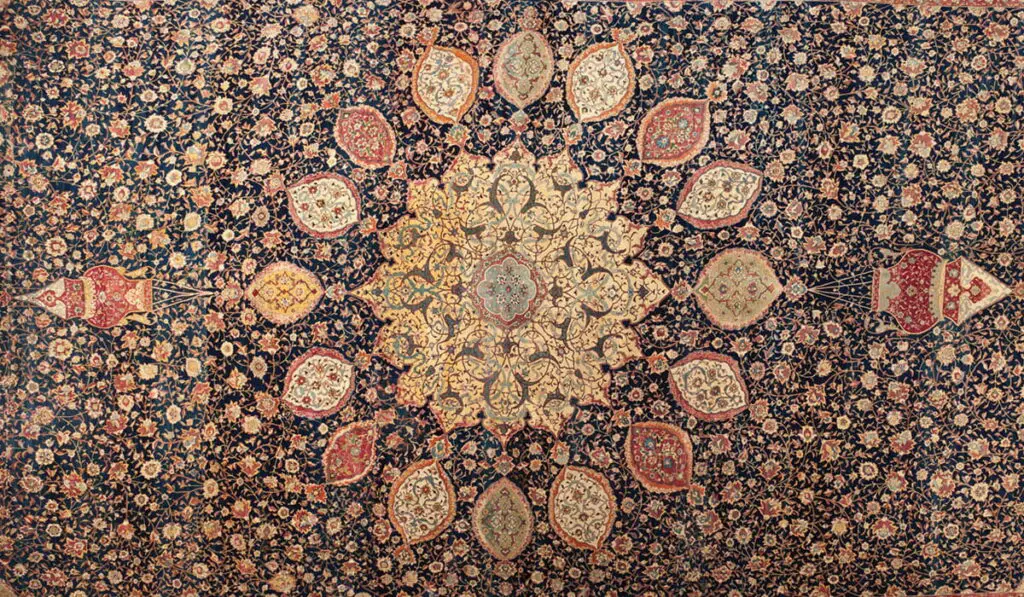
- Floral: Wood energy — growth, beauty, natural vitality. Ideal for bedrooms and living rooms.
- Geometric: Metal energy — structured, analytical, ordered. Works well in offices and contemporary spaces.
- Abstract/fluid: Water energy — movement, intuition, ease. Excellent in creative spaces and bedrooms.
- Mandala: Symbols of wholeness and balance. A mandala rug in the center of a room activates overall wellness across the entire Bagua.
- Stripes: Horizontal stripes carry calm Water energy; vertical stripes carry upward Wood energy; diagonal stripes introduce dynamic Fire energy.
7 Common Feng Shui Rug Mistakes
- Too small: A rug too small for the space creates disconnected, scattered energy. Always size up a generous rug anchors the room far more effectively than an undersized one.
- Blocking doorways or pathways: Chi flows through the natural walking routes of a home. A rug that prevents a door from opening fully, or forces awkward detours, directly blocks the flow of energy and opportunity.
- Wrong energy for the room: Bright reds in the bedroom disrupt sleep. Heavy navy and black in social spaces create withdrawal. Always match the rug’s energetic quality to the room’s primary function.
- Worn, soiled, or fraying rugs: The condition of your possessions reflects the energy of your life. A damaged rug accumulates sha chi stagnant, depleted energy. Clean rugs regularly and replace them when significantly worn.
- Chaotic or aggressive patterns: Extremely busy or visually distressing patterns create energetic noise. Trust your instinct if a rug’s design makes you feel vaguely uneasy, it is an accurate energetic reading.
- Ignoring yin-yang balance: Bedrooms need predominantly Yin energy (soft, muted, quiet). Active spaces lean Yang (brighter, more stimulating). A rug dramatically out of balance with the room’s natural energy amplifies imbalance rather than resolving it.
- Ignoring the Bagua entirely: Choosing a rug purely for aesthetics without Bagua awareness is a missed opportunity. Even basic awareness knowing that the southeast wealth corner benefits from purple and green, or that the south fame area is activated by red and orange allows your rug to work with the room’s energetic architecture, not against it.
Rug Maintenance as a Feng Shui Practice
In Feng Shui, the concept of sha chi refers to stagnant energy that accumulates in neglected, dirty, or cluttered spaces. Rugs are particularly vulnerable because they trap dust, odors, and debris in their fibers over time. Regular maintenance is not just practical it is a genuine energy practice.
- Vacuum regularly: Prevents dust and debris from stagnating chi in the rug’s fibers.
- Deep clean seasonally: Refreshes the rug’s energy, particularly after illness, conflict, or major life changes.
- Air in natural sunlight: Taking rugs outdoors to air in sunlight is one of the most powerful cleansing practices in Feng Shui. Sunlight purifies and re-energizes.
- Replace when necessary: A significantly worn or permanently stained rug drains the energy of a room. Replace it without guilt it has done its work.
FAQs
What is the best rug color for a bedroom in Feng Shui?
Soft earth tones (beige, taupe, terracotta), muted blues and greens, and blush pink are ideal. These carry Yin energy that supports rest and intimacy. Avoid bright reds, bold oranges, or black-dominant rugs, which carry stimulating Yang or heavy Water energy that disrupts sleep.
Should a Feng Shui rug go under the bed or in front of it?
The ideal placement extends the rug beneath the bed with enough visible on both sides for your feet to land on when rising. This creates a grounded, supported energy beneath and around the sleeping space. A rug placed only in front of the bed creates an energetic disconnect between the sleeper and their supportive foundation.
Are round rugs good Feng Shui?
Yes, round rugs are excellent because their absence of sharp corners allows chi to flow continuously and freely. They carry Metal element energy, symbolizing completeness and unity. They are particularly beneficial in dining rooms, entryways, bedrooms, and any room with a lot of angular furniture to balance.
Does rug material matter in Feng Shui?
Significantly. Natural fiber rugs, wool, jute, cotton, silk, bamboo, carry living, organic energy that synthetic materials cannot replicate. Natural fibers maintain a connection to the natural world and support authentic chi flow. If practical considerations require a synthetic rug, compensate by introducing natural materials elsewhere in the room.
Final Thoughts
Feng Shui rug placement is the practice of bringing intention to the way you shape your living environment. A rug chosen with awareness of the Bagua area it occupies, the five element energy it carries, and the purpose of the room it anchors becomes far more than a floor covering it becomes a daily, lived expression of your intentions for your home and your life.
You do not need to apply every principle at once. Start with one room, make one intentional change, and notice how the energy shifts. That experience the felt sense of a space becoming more harmonious is the best teacher Feng Shui has to offer.